
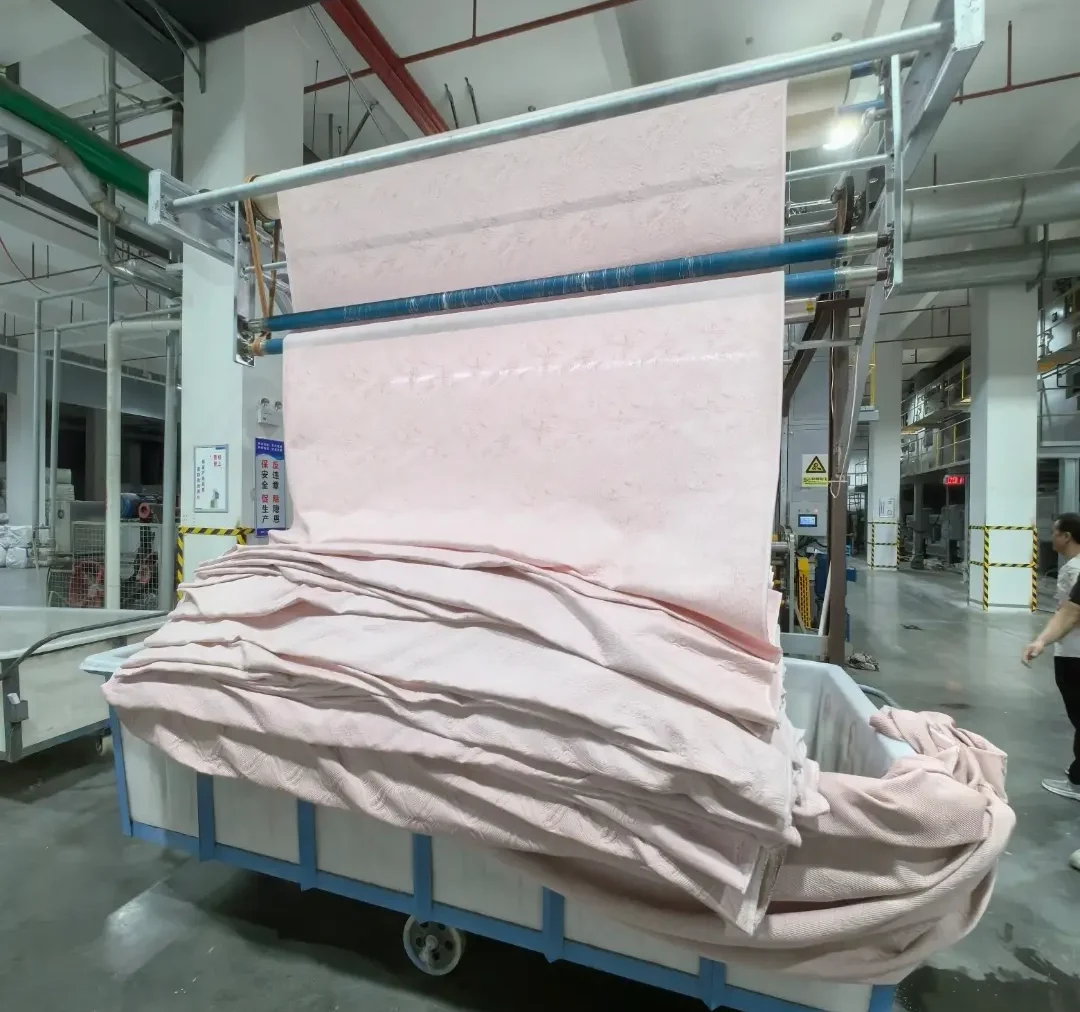
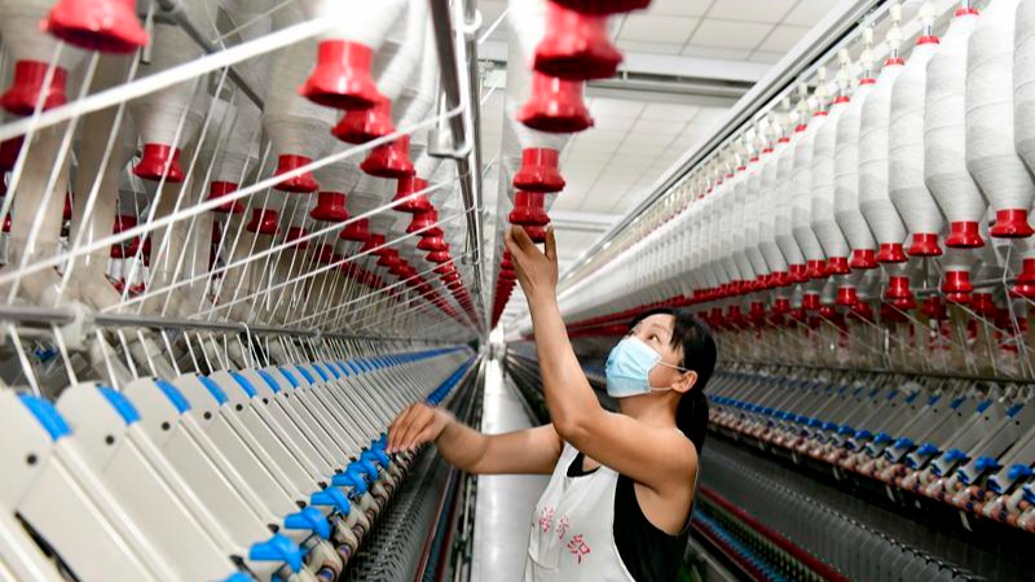
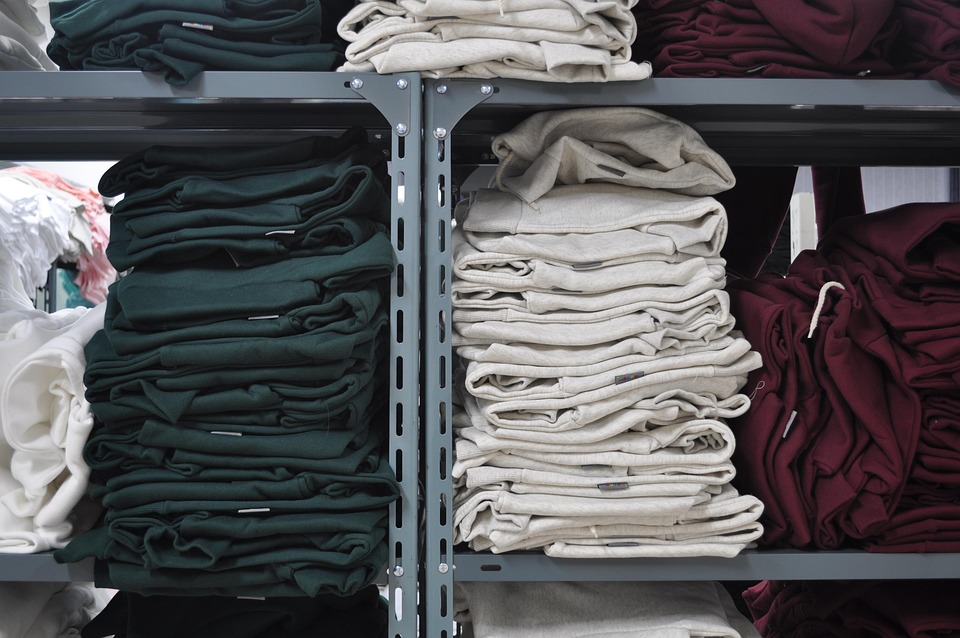
For decades, solvent-based finishing processes quietly supported the global textile industry. They delivered reliable wrinkle resistance, coating adhesion, softness, and functional performance across apparel, home textiles, and industrial fabrics. Yet the same chemistry that made solvent systems effective also made them increasingly difficult to justify in a world shaped by environmental accountability, regulatory scrutiny, and changing consumer expectations.
Today, textile manufacturing sits at a crossroads. On one side are legacy solvent-based finishing methods—familiar, powerful, but increasingly constrained. On the other are eco-friendly water-based finishing solutions, once considered technically limited, are now rapidly evolving into scalable, high-performance alternatives. The transition between the two is no longer a matter of ideology or marketing. It is a structural shift driven by compliance pressure, operational reality, and long-term manufacturing economics.
Modern textile manufacturers are not replacing solvent-based processes because water-based systems sound better on paper. They are doing so because water-based finishing now aligns more closely with how factories must operate: cleaner workshops, lower regulatory risk, stable worker conditions, consistent output quality, and supply chains that can withstand tightening environmental rules across global markets.
The Legacy Role of Solvent-Based Finishing in Textile Production
Solvent-based finishing emerged during a period when production efficiency and functional durability outweighed nearly every other consideration. These systems relied on organic solvents to dissolve resins, coatings, or functional agents, allowing for rapid penetration into fibers and strong bonding during curing. For many years, they set the benchmark for performance in areas such as wrinkle resistance, water repellency, oil resistance, and surface coatings.
From a purely technical standpoint, solvent-based processes offered several undeniable advantages. They dried quickly, tolerated variable fabric structures, and performed reliably across cotton, polyester, nylon, and blended materials. In large-scale manufacturing environments, predictability mattered, and solvent systems delivered it.
However, what once felt like industrial convenience gradually became an operational burden. Volatile organic compound emissions required ventilation upgrades. Worker exposure demanded safety protocols. Waste solvent disposal adds cost and risk. Over time, solvent-based finishing stopped being “normal” and started becoming something factories had to constantly justify, manage, and defend.
This shift did not happen overnight. It unfolded gradually, as regulations tightened region by region, buyers began requesting compliance documentation, and downstream brands started linking finishing processes directly to their sustainability commitments.
Why Environmental Pressure Alone Does Not Explain the Shift
It is tempting to frame the transition to eco-friendly water-based finishing solutions purely as an environmental response. That narrative is incomplete. Environmental pressure initiated the conversation, but operational pressure sustained it.
Manufacturers discovered that solvent-based finishing was not only harder to permit, but also harder to scale cleanly. As factories expanded production volumes or diversified product lines, solvent systems introduced friction at every step. Equipment needed for explosion-proof certification. Storage requirements increased. Insurance costs rose. Audits became more intrusive. Each additional compliance layer translated into slower decision-making and reduced flexibility.
Water-based finishing, by contrast, integrates more smoothly into modern factory layouts. Reduced fire risk simplifies plant design. Lower emissions ease ventilation demands. Wastewater treatment, while still critical, becomes more predictable and manageable than solvent recovery. Over time, these differences compound into measurable operational advantages.
Eco-friendly water-based systems also align better with the way modern textile production is organized—shorter lead times, mixed material runs, smaller batch customization, and faster style turnover. Solvent-based systems, optimized for long, uniform runs, struggle to adapt to this more dynamic production environment.
How Water-Based Finishing Solutions Have Technically Matured
Early generations of water-based finishing systems were often criticized for limited durability, inconsistent hand feel, and sensitivity to processing conditions. Those criticisms were once valid. They are no longer accurate.
Advancements in polymer chemistry, dispersion technology, and crosslinking mechanisms have transformed water-based finishing from a compromise into a competitive alternative. Modern formulations can deliver wrinkle resistance, softness, abrasion resistance, and dimensional stability that meet or exceed legacy solvent-based benchmarks.
One of the most important breakthroughs has been the development of formaldehyde-free and low-formaldehyde crosslinking systems. These allow water-based finishes to achieve durable performance without relying on hazardous solvents or harsh curing conditions. At the same time, improved binder dispersions enable consistent film formation on both natural and synthetic fibers.
Another key development lies in process stability. Modern water-based finishing solutions are engineered to tolerate variations in fabric density, moisture content, and line speed. This robustness reduces defect rates and improves consistency across large production volumes—an essential requirement for commercial viability.
Operational Advantages Inside the Factory
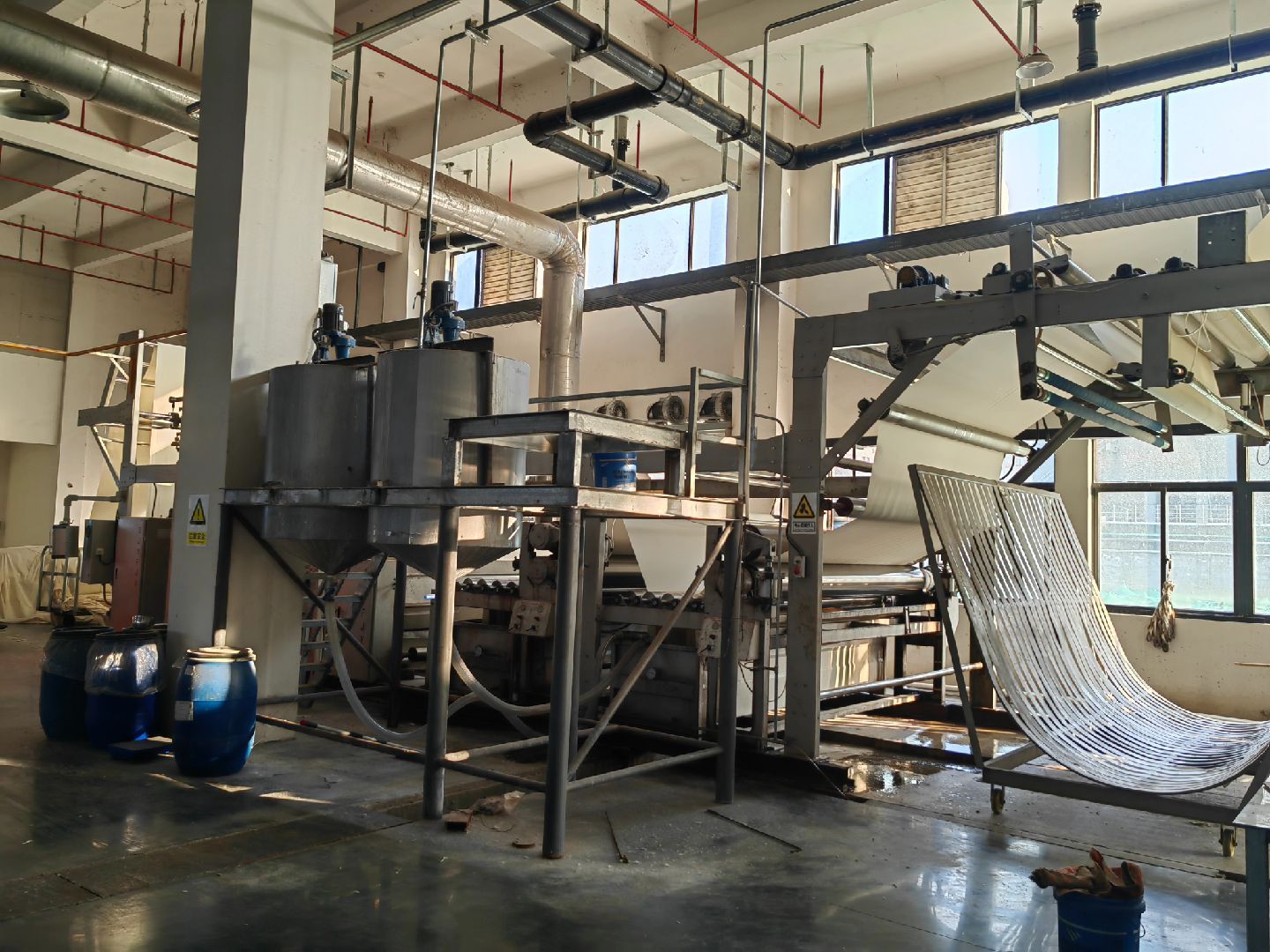
From the factory floor perspective, the benefits of water-based finishing are immediate and tangible. Cleaner air quality improves working conditions. Reduced odor enhances worker comfort. Lower hazard classification simplifies training and safety management.
More importantly, water-based finishing introduces operational predictability. Solvent recovery systems are complex and sensitive. When they fail, production stops. Water-based systems, while still requiring proper wastewater treatment, tend to fail more gracefully. Issues can be corrected without halting entire finishing lines.
Maintenance cycles also differ significantly. Solvent-based equipment accumulates residue that requires aggressive cleaning. Water-based systems are easier to flush, reducing downtime between production runs. Over months and years, these differences translate into higher effective equipment utilization.
From a management standpoint, the ability to scale capacity without proportionally scaling risk is one of the strongest arguments for water-based finishing adoption.
A Practical Comparison of Finishing Approaches
| Aspect | Solvent-Based Finishing | Water-Based Finishing Solutions |
|---|---|---|
| VOC Emissions | High, regulated | Low to minimal |
| Worker Safety | Requires strict controls | Safer operating environment |
| Fire Risk | Elevated | Significantly reduced |
| Compliance Burden | Heavy, audit-intensive | Easier to certify |
| Process Flexibility | Best for long runs | Adaptable to mixed production |
| Waste Handling | Solvent recovery needed | Standard wastewater treatment |
| Long-Term Scalability | Increasingly constrained | Designed for modern expansion |
This comparison highlights why the decision is rarely emotional. It is structural.
The Role of Global Compliance and Brand Expectations
Textile manufacturing no longer operates in isolation. Factories are embedded within global supply chains that include brands, retailers, certification bodies, and regulatory agencies. Each layer introduces requirements that shape process selection.
Major international brands increasingly mandate restricted substance lists, traceability documentation, and proof of environmental impact reduction. Solvent-based finishing struggles to meet these expectations without additional layers of mitigation and reporting.
Eco-friendly water-based finishing solutions, by design, fit more naturally into compliance frameworks such as OEKO-TEX, ZDHC, and various regional environmental standards. This alignment reduces friction during audits and shortens approval cycles for new product development.
For manufacturers serving export markets, especially Europe and North America, adopting water-based finishing is less about differentiation and more about maintaining market access.
Performance Perception Versus Real-World Use
One persistent myth is that water-based finishing sacrifices performance. In practice, performance must be evaluated in context. Many textile applications do not require extreme resistance levels. They require reliable, repeatable performance that survives normal use and laundering.
Water-based wrinkle-resistant finishing, for example, may not produce the same rigid crease retention as older solvent systems, but it delivers a more natural drape and softer hand feel. For bedding, apparel, and decorative textiles, this balance often results in higher end-user satisfaction.
Similarly, water-based crinkle-effect finishes allow designers to intentionally introduce texture without compromising wash durability. These finishes create stable visual effects that align with modern aesthetic trends, particularly in home textiles.
Economic Considerations Over the Long Term
While initial material costs for advanced water-based finishing formulations may appear comparable or slightly higher than solvent-based alternatives, the total cost of ownership tells a different story.
Reduced regulatory compliance costs, lower insurance premiums, simplified waste management, and improved worker retention all contribute to long-term savings. Additionally, the ability to respond quickly to buyer requirements and certification requests reduces lost opportunities.
Factories that view finishing technology as a long-term infrastructure decision rather than a short-term cost often find water-based systems economically favorable over time.
Strategic Flexibility and Product Innovation
Water-based finishing opens the door to product innovation that solvent systems struggle to support. Multi-functional finishes—combining softness, wrinkle resistance, and aesthetic texture—are easier to formulate in water-based systems.
This flexibility allows manufacturers to collaborate more closely with designers and brands, offering tailored solutions rather than standardized finishes. As textile markets become more segmented, this adaptability becomes a competitive advantage.
From a strategic standpoint, water-based finishing transforms the finishing department from a compliance liability into a value-creation asset.
A Controlled Transition Rather Than Abrupt Replacement
It is important to note that replacement does not always mean elimination. Many manufacturers adopt water-based finishing gradually, starting with specific product categories or customer segments. Over time, solvent-based systems are retained only where necessary.
This phased approach minimizes disruption while allowing factories to build expertise, optimize parameters, and retrain staff. In practice, most successful transitions occur through deliberate evolution rather than abrupt change.
A typical transition path often includes:
-
Introducing water-based finishing for home textiles and apparel fabrics
-
Retaining solvent systems for niche technical applications
-
Gradually upgrading equipment and wastewater treatment capacity
-
Aligning new product development exclusively with water-based systems
The Future Direction of Textile Finishing
Looking ahead, the trajectory is clear. Eco-friendly water-based finishing solutions are not a temporary trend or marketing response. They represent a structural adaptation of textile manufacturing to modern constraints and opportunities.
As chemical suppliers continue refining formulations, the remaining performance gaps will narrow further. At the same time, regulatory pressure on solvent use is unlikely to ease. Manufacturers that delay transition may find themselves reacting under pressure rather than planning strategically.
The factories that thrive in the coming decade will be those that view finishing not as a fixed process, but as an evolving capability aligned with environmental responsibility, operational efficiency, and market demand.
Closing Perspective from the Manufacturing Floor
From the standpoint of a textile manufacturer, the choice between solvent-based and water-based finishing is ultimately pragmatic. It is about running a factory that can operate cleanly, scale confidently, pass audits consistently, and meet customer expectations without constant friction.
Eco-friendly water-based finishing solutions have reached a level of maturity that allows them to replace solvent-based processes, not because they are greener in theory, but because they are better suited to the realities of modern textile manufacturing.
In that sense, the transition is less a revolution and more a long-overdue correction—one that aligns chemistry, production, and responsibility into a single, sustainable system.