
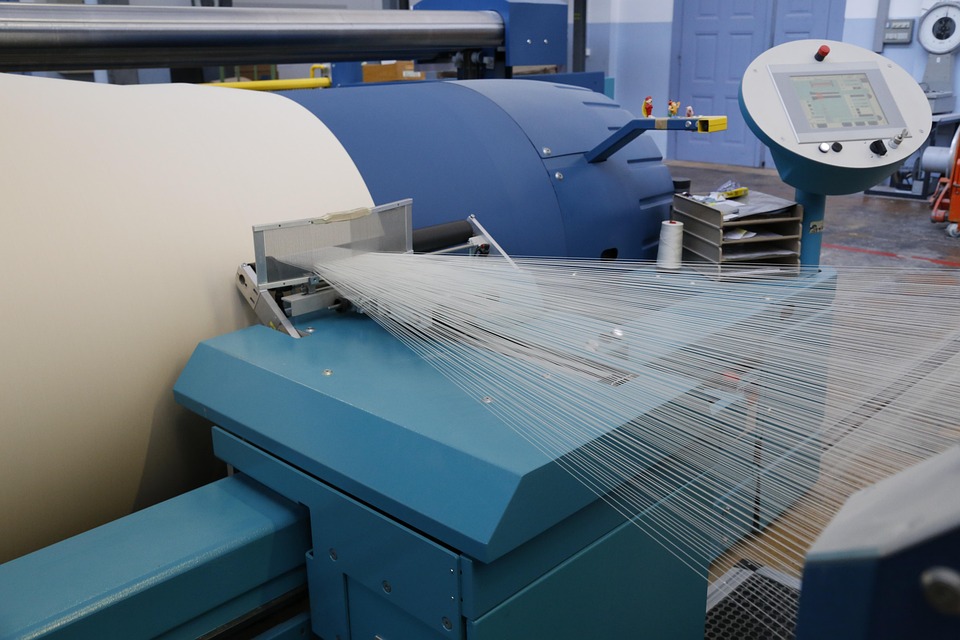
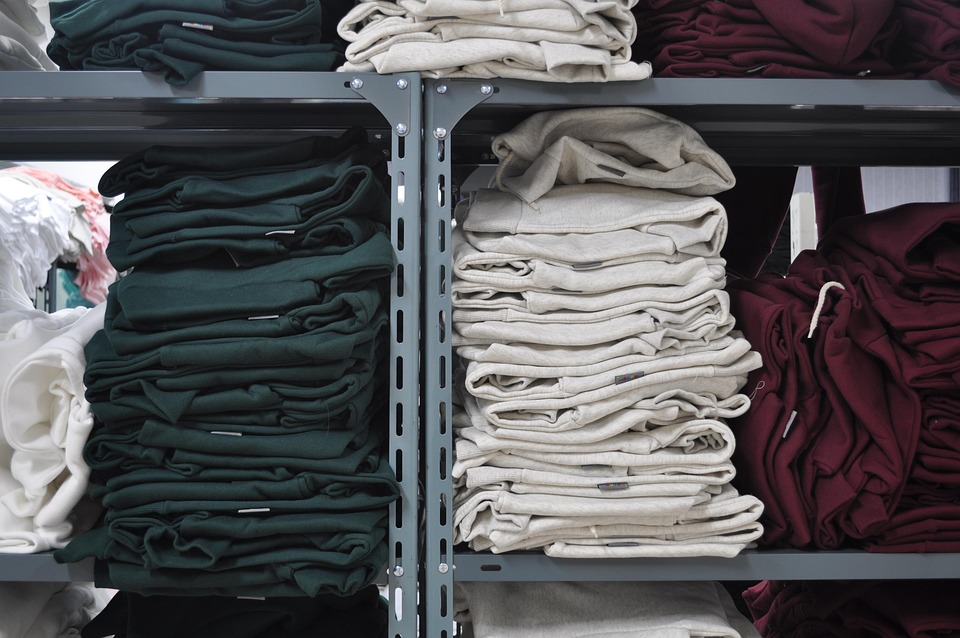
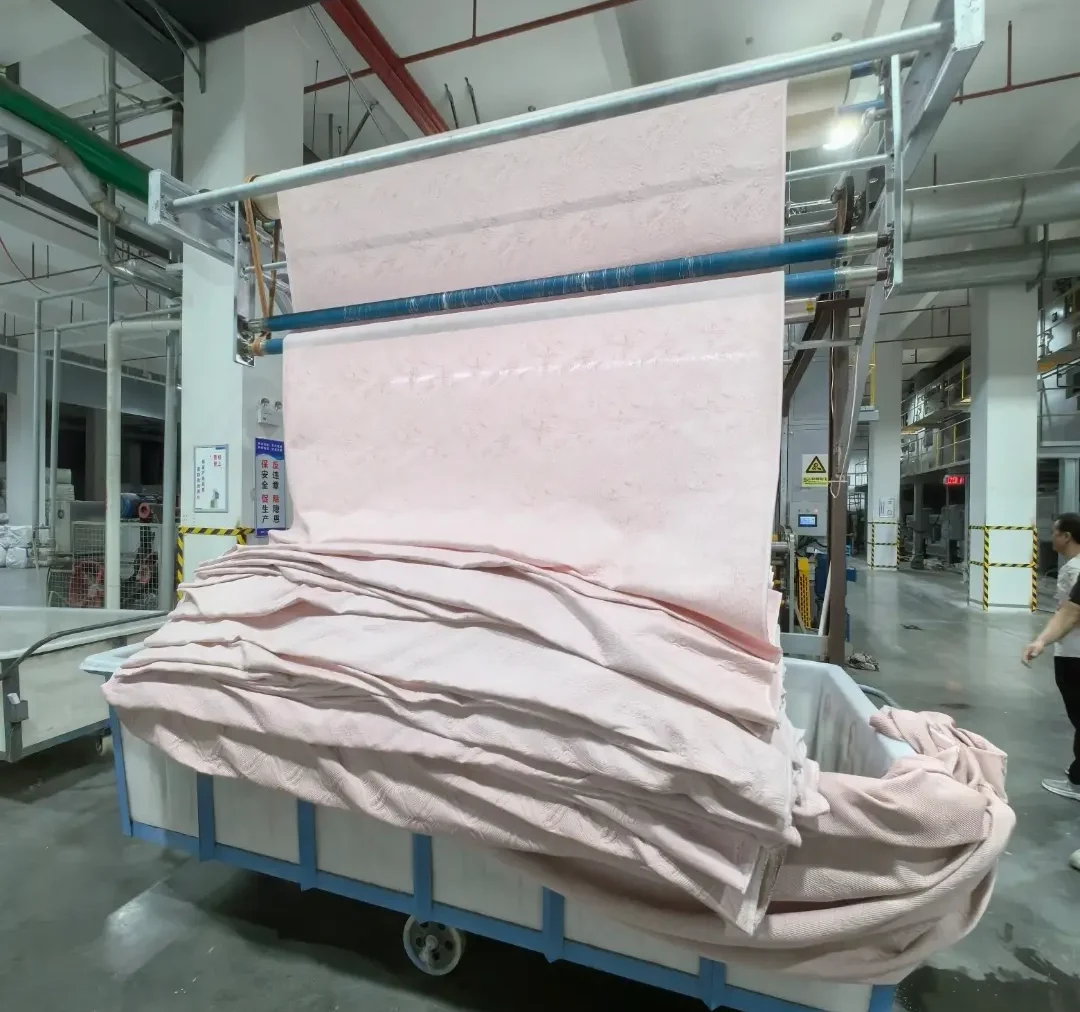
Home textiles are everywhere in daily life. Bedding sets, blankets, curtains, sofa covers, and decorative fabrics all belong to this category. While consumers often focus on color, design, and softness, a less visible but equally important process determines the final performance of these products: home textile finishing.
Finishing is the stage where fabrics receive their final treatment after weaving or knitting and dyeing. It is during this stage that fabrics gain the properties consumers expect, such as softness, wrinkle resistance, durability, and sometimes even functional benefits like antibacterial protection or moisture management.
Without proper finishing, a fabric may look attractive but fail to perform well in real-life use. Bedding may pill quickly, blankets may lose softness after washing, or curtains may shrink or fade prematurely. Home textile finishing ensures that the fabric not only looks good when it leaves the factory but also maintains its quality throughout long-term use.
For manufacturers and home textile brands, finishing is also a key point of differentiation. Two fabrics made from the same raw material can perform very differently depending on how they are finished. This is why finishing technologies continue to evolve, combining traditional textile craftsmanship with modern chemical engineering and automation.
How finishing works helps explain why high-quality home textile products feel softer, last longer, and perform better than low-grade alternatives.
The Role of Finishing in Modern Home Textile Manufacturing
In textile production, finishing is the final stage after spinning, weaving, or knitting, and dyeing. At this point, the fabric already exists in its basic form, but it may still have rough textures, uneven surfaces, or chemical residues from earlier processing steps.
Home textile finishing transforms this unfinished material into a fabric suitable for consumer products. Through mechanical and chemical treatments, manufacturers can improve both the appearance and functionality of the textile.
For example, finishing processes can make a fabric smoother, brighter in color, and more resistant to wear. In bedding products, finishing also enhances comfort by improving softness and breathability.
Another important role of finishing is stabilization. Fabrics may shrink, stretch, or deform if they are not properly treated after dyeing and washing. Finishing processes such as heat setting and preshrinking ensure that the fabric maintains its shape during repeated use and washing.
In modern textile production, finishing is not simply an optional step. It is a critical stage that determines the final quality level of home textile products.
Mechanical Finishing Techniques Used in Home Textiles
Mechanical finishing refers to physical treatments applied to fabrics without significantly changing their chemical composition. These techniques often focus on improving surface texture, appearance, and hand feel.
One of the most widely used mechanical processes is brushing or raising, which lifts the surface fibers to create a softer and warmer texture. This method is common in fleece fabrics, blankets, and winter bedding materials. By gently pulling fibers to the surface, the fabric becomes more insulating and comfortable.
Another common technique is calendering, where fabrics pass between heated rollers under pressure. This process smooths the fabric surface and can produce a subtle sheen, making it suitable for decorative home textiles like curtains or bed covers.
Shearing is also widely used. In this process, the raised fibers on the surface of the fabric are trimmed evenly, creating a uniform and refined appearance. This treatment is particularly important for fabrics such as fleece or plush materials, where surface consistency affects product quality.
These mechanical processes significantly influence the tactile and visual qualities of home textiles, shaping how consumers perceive the fabric.
Chemical Finishing and Functional Fabric Treatments
While mechanical finishing improves surface appearance, chemical finishing introduces functional properties that enhance performance.
Chemical finishing involves applying specialized compounds to the fabric surface or within its fiber structure. These compounds interact with the fibers to create specific performance characteristics.
For instance, softening agents are frequently used to improve the hand feel of bedding fabrics. These chemicals reduce friction between fibers, making the fabric smoother and more comfortable against the skin.
Other chemical treatments are designed to add functional features. Water repellency, stain resistance, and antimicrobial protection are common requirements in modern home textile products.
In some cases, chemical finishing also improves durability. Anti-pilling treatments help prevent the formation of small fiber balls on the fabric surface, a common problem in blankets and fleece garments.
Functional chemical finishing allows manufacturers to tailor fabrics for different applications, from luxury bedding to durable household textiles.
Functional Finishes That Improve Home Textile Performance
Modern consumers expect home textiles to do more than simply look attractive. Functional finishing technologies help fabrics meet these expectations by enhancing performance and usability.
Several types of functional finishes are commonly used in the home textile industry:
-
Anti-pilling finishes, which reduce fiber breakage and prevent the formation of pills on the fabric surface
-
Antibacterial treatments are designed to inhibit the growth of bacteria and maintain hygiene in bedding products
-
Moisture management finishes, which help fabrics absorb and release moisture for improved comfort
-
Flame-retardant treatments, often used in curtains and upholstery fabrics to enhance safety
These finishes improve both the practicality and lifespan of home textile products. As consumer expectations continue to evolve, manufacturers are increasingly investing in advanced finishing technologies to remain competitive.
The Importance of Softness and Comfort in Finished Fabrics
Among all fabric properties, softness remains one of the most important factors influencing consumer purchasing decisions. Home textiles such as blankets, bed sheets, and bathrobes come into direct contact with the skin, so their tactile qualities significantly affect user experience.
Finishing processes play a major role in achieving this softness. Techniques such as enzyme washing, fabric brushing, and silicone softening treatments alter the surface of the fibers, creating a smoother and more comfortable texture.
In plush fabrics and fleece materials, finishing can dramatically change the perceived quality of the product. A well-finished fleece blanket feels fluffy, warm, and smooth, while a poorly finished one may feel stiff or rough.
Because comfort is such a central aspect of home textiles, finishing processes are often carefully optimized to create the ideal balance between softness, durability, and breathability.
Comparing Finished and Unfinished Home Textile Fabrics
The difference between finished and unfinished fabrics becomes clear when examining key performance characteristics.
| Property | Unfinished Fabric | Finished Home Textile Fabric |
|---|---|---|
| Surface texture | Rough or uneven | Smooth and refined |
| Softness | Limited comfort | Enhanced hand feel |
| Durability | More prone to wear | Improved resistance |
| Appearance | Dull or inconsistent | Bright and uniform |
| Functional features | Minimal | May include water resistance, antibacterial protection, or anti-pilling |
This comparison highlights how finishing transforms basic textile materials into high-quality home products ready for the consumer market.
Sustainability Trends in Home Textile Finishing
As environmental awareness grows, textile manufacturers are placing greater emphasis on sustainable finishing technologies. Traditional finishing processes sometimes consume large amounts of water, energy, and chemicals. To reduce environmental impact, many companies are adopting eco-friendly alternatives.
Low-water or waterless finishing systems are gaining popularity because they significantly reduce water consumption during production. These technologies often rely on advanced machinery and controlled chemical application methods to achieve consistent results while minimizing waste.
Another important trend is the use of environmentally friendly finishing agents. Many manufacturers now select chemicals that are biodegradable, non-toxic, and compliant with international safety standards.
Recycling and circular textile production are also influencing finishing techniques. Fabrics made from recycled fibers require finishing processes that preserve their quality while maintaining sustainability goals.
These innovations reflect the broader shift toward greener textile manufacturing practices.
Applications of Finished Home Textile Fabrics
Home textile finishing supports a wide range of product categories. Each category requires specific finishing treatments to meet performance expectations.
-
Bedding products, where softness, durability, and breathability are critical
-
Blankets and fleece fabrics, which require brushing and anti-pilling treatments for comfort and longevity
-
Curtains and upholstery fabrics, where wrinkle resistance and flame retardancy may be important
-
Decorative textiles, where surface appearance and color vibrancy are key considerations
By adjusting finishing techniques, manufacturers can create fabrics tailored for each of these applications.
Why Finishing Quality Determines Product Value
The finishing stage often determines whether a home textile product is perceived as low-end or premium. Even high-quality fibers can produce mediocre fabrics if finishing is poorly executed. Conversely, advanced finishing techniques can significantly enhance the value of a fabric.
For manufacturers supplying global markets, finishing quality also affects brand reputation. Retailers and consumers expect consistent performance, especially in products such as bedding sets and blankets that experience frequent washing and long-term use.
Proper finishing improves durability, comfort, and appearance simultaneously. This combination helps products maintain their value throughout their lifecycle, which is why finishing is considered one of the most important stages in home textile manufacturing.
The Future of Home Textile Finishing
Technology continues to reshape the finishing process. Automation, digital monitoring systems, and advanced chemical formulations are allowing manufacturers to achieve greater precision and consistency.
Future developments may include intelligent finishing systems that automatically adjust processing parameters based on fabric type and performance requirements. These systems could significantly improve production efficiency while maintaining high-quality standards.
Nanotechnology is another area receiving attention. Nano-scale finishing agents may provide enhanced stain resistance, antibacterial protection, or UV resistance without affecting the softness of the fabric.
As consumer expectations evolve and sustainability becomes more important, finishing technologies will continue to play a central role in the development of innovative home textile products.
Home textile finishing represents the final transformation that turns raw fabric into functional, comfortable, and visually appealing household products. By combining mechanical treatments with chemical technologies, manufacturers can create fabrics that not only look attractive but also perform reliably in everyday use.
From improving softness and durability to adding advanced functional properties, finishing processes shape the quality and performance of nearly every home textile product on the market. As textile technology advances, finishing will remain one of the most influential factors in determining how fabrics feel, perform, and endure over time.