
Introduction
Fabrics do not usually come out of the fabric production line soft and wearable. After being bleached, dyed, and heat set, fabrics are often stiff, dry, and rough to the touch. This is not a defect, but a natural result of processing in a factory. It does mean that there is a second step required before the fabric can be worn comfortably. This step is known as fabric soft finish treatment.
Fabric soft finish is a finishing step of the textile manufacturing process that helps increase softness, stretch, and hand feel after fabrication. The soft finish treatment can be applied through mechanical, chemical, or hybrid methods, all with the goal of reducing fiber stiffness, while restoring natural drape and comfort.
During production, fibers are exposed to high temperatures, chemicals, and mechanical tension. The natural lubricants on fibers, such as the waxes in cotton, gradually degrade and make the fabric stiff and more rigid. If a fabric soft finish is not properly applied, even premium products can feel rough, uncomfortable, and unsuitable for clothing, bedding, or upholstery.
This article will discuss what a fabric soft finish is, the main industrial methods used today, when it is applied during the production process, and the technical trade-offs textile engineers must make in order to obtain the best softness and performance.
What a Fabric Soft Finish Treatment Actually Does
A fabric soft finish treatment works by reducing the friction between fibers, allowing them to slide past each other more easily. When fibers can move freely, the fabric bends and drapes rather than standing rigid. The treatment also increases the fabric’s ability to compress, creating a fuller, more luxurious feel.
In chemical terms, softeners deposit a thin molecular layer onto the fiber surface. This layer acts like a lubricant, lowering the coefficient of friction. In mechanical terms, machines physically manipulate the fabric—stretching, rubbing, or beating it—to break rigid bonds and reintroduce flexibility.
The result is a fabric that feels smooth to the touch, drapes well when made into a garment, and wears comfortably against the skin. In many cases, a fabric soft finish treatment also improves the fabric‘s sewability, as needles pass more easily through lubricated fibers without causing needle burn or skipped stitches.
Why Textiles Become Stiff Without Softening
Natural fibers, despite their reputation for comfort, become harsh after industrial processing. Cotton contains waxes that make raw cotton fibers feel soft. During scouring and bleaching, those waxes are removed. The result is a clean but stiff fiber that no longer has its natural lubrication.
Synthetic fibers like polyester and nylon emerge from extrusion with a smooth surface, but heat-setting and finishing processes can roughen that surface. More significantly, synthetic fabrics lack the natural moisture-regulating properties of cotton, so any stiffness is immediately noticeable to the wearer.
Blended fabrics (cotton-polyester, cotton-spandex, and others) present a particular challenge. The two fiber types respond differently to chemical treatments. A fabric soft finish treatment must work on both materials simultaneously, which requires carefully balanced formulations.
Without a fabric soft finish treatment, these textiles would be nearly unusable for garments. They would chafe, resist folding, and fail to drape properly. The entire apparel industry depends on softening to transform industrially processed fabric into wearable goods.
Consumer Demand: The Commercial Driver for Softness
Softness sells. According to a global consumer survey, 67 percent of consumers rate cotton clothing as the most comfortable, and 66 percent rate it as the softest compared to polyester or rayon. The global fabric softener market was valued at USD 21.37 billion in 2024 and is projected to reach USD 32.84 billion by 2034, growing at a compound annual rate of 4.39 percent. Asia-Pacific is the fastest-growing region, reflecting a global shift toward higher comfort standards.
Beyond the softener market itself, the broader trend toward sensory textiles has accelerated. Search data shows that demand for “soft fabrics” has grown steadily, and categories like “airy cotton” are predicted to grow by 93 percent annually. For textile manufacturers, the commercial imperative is clear: a fabric soft finish treatment is not just a technical step; it is a competitive requirement.
Buyers for major apparel brands now routinely specify softness standards alongside tensile strength and colorfastness. A fabric that fails to meet the target hand feel will be rejected regardless of its other performance attributes. This has made fabric soft finish treatment one of the most closely controlled variables in modern textile finishing.
Mechanical Softening: When and Why It Is Used
Mechanical softening relies on physical manipulation rather than chemical additives. The most common mechanical method passes the fabric over a series of tension bars or through rubber roller systems that repeatedly flex and compress the material. This breaks rigid fiber bonds and restores natural pliability.
Mechanical softening is preferred in certain situations. When a manufacturer needs to avoid any chemical residue (for medical textiles, infant clothing, or strict eco-certifications), mechanical methods provide a clean alternative. Mechanical softening also avoids the risk of altering a fabric‘s color or reducing its lightfastness, which can happen with some chemical softeners.
However, mechanical softening has a significant limitation: it is not durable. The softening effect comes from physically repositioning fibers, not from chemically bonding a lubricant to them. After washing, the fabric tends to revert to its stiff state. Many textile engineers therefore use mechanical softening as a preliminary step, followed by a chemical fabric soft finish treatment for a permanent effect.
Chemical Softening: The Industry Standard
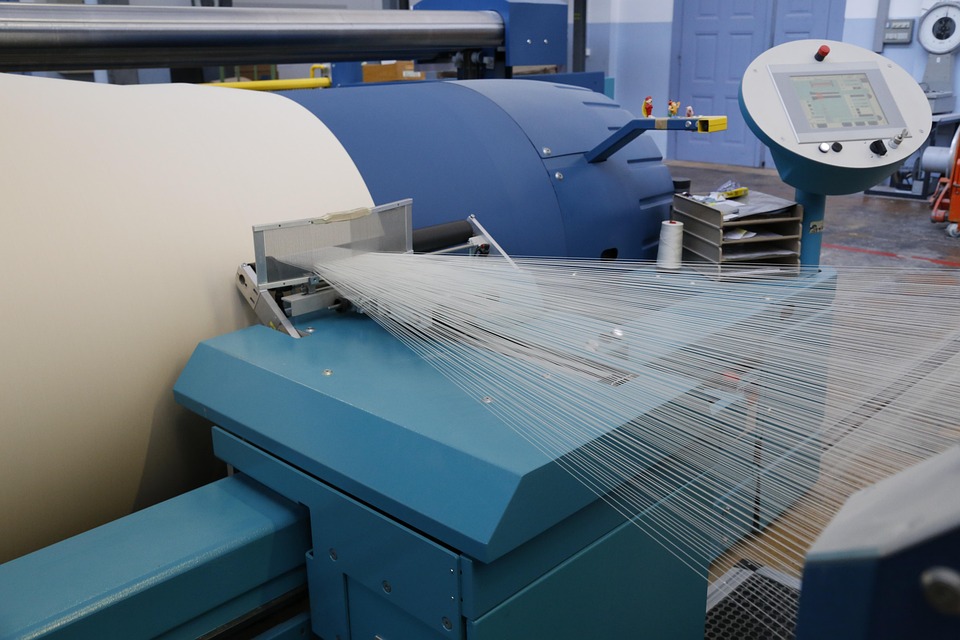
Chemical softening is far more common in industrial textile manufacturing. It involves applying a finishing agent—typically a silicone-based or fatty-acid-based compound—to the fabric surface. The softener is usually applied via a padding process, where the fabric passes through a bath of diluted softener and then through rollers that squeeze the excess liquid from the fabric. The fabric is then dried and cured to fix the softener onto the fiber surfaces.
Silicone softeners are the most widely used category because they offer superior lubricity and a silky hand feel. Organo-modified polysiloxane softeners, for example, exhibit excellent softening properties due to their low rotational free energy, which allows molecules to align smoothly along the fiber surface. They also improve water absorbency and smoothness while enhancing the efficiency of cutting and sewing.
Chemical softeners are classified by ionic type: anionic, cationic, non-ionic, and amphoteric. Cationic softeners produce the softest hand feel and are commonly used on cotton and other cellulosic fibers. Non-ionic softeners are compatible with a wider range of other finishing agents, making them suitable for multi-step finishing processes where a softener is combined with resins, water repellents, or antimicrobials.
Softening is sometimes combined with other finishing steps. A fabric may receive a softener alongside a durable press resin to produce wrinkle-resistant dress shirts that still feel comfortable against the skin. In some cases, softeners are added during the final rinse of the dyeing cycle, which reduces processing time and water consumption.
When Soft Finish Is Needed: Key Manufacturing Stages
Several specific stages in textile manufacturing require a fabric soft finish treatment.
After bleaching and scouring. Cotton fabrics lose their natural waxes during bleaching. The resulting fabric is clean but stiff. A softener restores the flexibility needed for further processing and eventual garment construction.
After heat-setting of synthetics. Polyester and nylon are heat-set to lock in their final dimensions. This process can stiffen the fabric. A fabric soft finish treatment applied after heat-setting makes the fabric pliable without compromising dimensional stability.
After dyeing at high temperatures. Reactive dyeing of cotton and disperse dyeing of polyester both occur at elevated temperatures that can stiffen fibers. Softeners added during the final wash stage of dyeing help the fabric recover flexibility.
Before cutting and sewing. A fabric that is too stiff resists cutting and causes needle burn during high-speed sewing. Softeners improve lubricity, allowing needles to pass cleanly through multiple layers without generating excess friction heat.
After functional finishing. When a fabric receives a durable press resin, a water repellent, or an antimicrobial treatment, those finishes often stiffen the material. A fabric soft finish treatment applied after or alongside functional finishes counteracts the stiffness while preserving the functional properties.
The Softness vs. Pilling Trade-Off
One of the most persistent challenges in textile finishing is the inverse relationship between softness and pilling resistance. Softeners work by reducing fiber friction, which allows fibers to move freely. But free-moving fibers are more likely to migrate to the fabric surface, entangle, and form pills—those small balls of fiber that make a garment look worn and aged.
Research has shown that applying softeners to fabrics can increase pilling tendency. The same lubrication that makes a fabric feel smooth also permits fuzzy fibers to slide out of the yarn structure and accumulate on the surface. This creates a design dilemma for textile engineers: increase softness and risk pilling, or reduce pilling and deliver a stiffer fabric.
Several solutions have been developed. One approach uses a polyurethane resin combined with citric acid as a crosslinking agent and a silicone-based softener. The resin binds fibers more tightly to the yarn structure, reducing migration and pilling, while the softener still provides an acceptable hand feel. Another solution uses bio-polishing—an enzymatic treatment that removes protruding microfibrils from the fabric surface—before softening. Bio-polishing alone improves pilling resistance but can leave a fabric feeling slightly harsh; a subsequent softener restores the comfortable hand feel without reintroducing pilling problems.
For high-end applications, manufacturers use anti-pilling finishing agents that act as binders, fixing fibers in place and preventing their migration to the surface. Some of these agents also impart a soft hand feel through an elastic film deposited on the fabric surface, effectively decoupling softness from pilling.
Emerging Trends: Eco-Friendly and Bio-Based Softeners
Environmental regulations are reshaping the textile chemical industry. Traditional softeners sometimes contained APEOs (alkylphenol ethoxylates), formaldehyde-releasing agents, or other substances now restricted by global standards like OEKO-TEX and ZDHC (Zero Discharge of Hazardous Chemicals).
Newer softeners are formulated without these restricted substances. Bio-based softeners, derived from vegetable oils and starches, have entered the market. For example, epoxy fatty acid methyl esters based on rapeseed oil achieve biodegradation rates above 90 percent and contain no APEO or formaldehyde residues. These are already used in applications with strict environmental requirements, including infant textiles.
Waterless or low-water softening systems are also gaining attention. One novel water-free system uses a silicone softener dispersed in decamethyl cyclopentasiloxane (D5) rather than in an aqueous bath. This system achieves nearly the same softening effect while reducing water consumption and effluent treatment costs. The adsorption rate of silicone softener in this system is about 75 percent.
Regulatory frameworks such as the EU‘s Carbon Border Adjustment Mechanism and Extended Producer Responsibility (EPR) laws are pushing textile manufacturers toward cleaner finishing processes. A fabric soft finish treatment that uses low-VOC, water-based formulations is not just an environmental benefit—it is increasingly a compliance requirement for access to European markets.
Testing and Standards for Soft Finishes
Because softness is a subjective property—what feels soft to one person may feel merely acceptable to another—textile manufacturers rely on standardized testing methods to measure and specify softness. Common methods include:
Handle-o-meter testing. A machine measures the force required to push a fabric sample through a narrow slot. Lower force indicates higher softness and flexibility.
Bending length measurement. The distance a fabric sample extends before bending under its own weight correlates with its stiffness. Shorter bending length means more flexible fabric.
Fabric touch test panels. Human evaluators trained in standardized protocols assess feel across multiple attributes: smoothness, drapability, compressibility, and overall softness.
For quality control purposes, manufacturers also test softness and durability. A fabric that feels soft after finishing but loses that softness after five washes is commercially unacceptable. Wash tests track how softener performance changes over repeated laundering.
Certifications matter. OEKO-TEX Standard 100 certifies that a fabric and its chemical treatment contain no harmful substances. Global Recycled Standard (GRS) and Cradle to Cradle certifications verify environmental claims for bio-based and otherwise sustainable softeners.
Common Problems with Fabric Soft Finish Treatment
Applying a fabric soft finish treatment seems straightforward, but several problems can emerge.
Yellowing. Some softeners, particularly amine-based cationic softeners, yellow when exposed to high temperatures during curing or later during garment pressing. Non-yellowing softener formulations are now available.
Reduced water absorbency. Silicone softeners can make a fabric water-repellent, which is undesirable for towels, underwear, and activewear. Hydrophilic silicone softeners have been developed to provide softness without sacrificing absorbency.
Shade change. Softeners can alter the perceived color of dyed fabric. Some cationic softeners cause slight color shifts, particularly on pale shades. Manufacturers must test softener-fabric combinations before full production.
Incompatibility with other finishes. A fabric that receives a durable press resin, a fluorocarbon water repellent, and a softener may have unstable finishing baths. Softeners must be selected for compatibility with the entire finishing recipe.
Streaking or spots. Poorly emulsified softeners can deposit unevenly, leaving visible streaks or spots on finished fabric. Proper mixing and application are critical.
In textile manufacturing, the rule is this: a fabric soft finish treatment is needed whenever a textile transitions from industrial production toward consumer use. The specific timing—which stage of finishing, which type of softener, which application method—depends on the fiber content, the desired final properties, and the economic constraints of the production line.
FAQ
Q1: How can you tell if a fabric has received a fabric soft finish treatment?
Rub the fabric between your fingers. A treated fabric feels smoother, softer, and more flexible compared to an untreated fabric. Untreated fabric often feels stiff and may produce a slight crackling sound when compressed.
Q2: Can too much softener damage fabric?
Yes. Overuse of softeners can lead to residue buildup, causing a greasy hand feel, reduced colorfastness, and weaker seam strength. Proper dosage control is essential in any fabric soft finish treatment process.
Q3: How does a fabric soft finish treatment affect sewing performance?
It improves sewing efficiency by reducing fiber friction. This minimizes needle heat, prevents skipped stitches, and allows smoother fabric feeding during high-speed industrial sewing.
Q4: Do all fabrics require a fabric soft finish treatment?
Not all. Technical textiles like interlinings or structural fabrics may require stiffness. However, most apparel, bedding, and upholstery fabrics benefit from a fabric soft finish treatment.
Q5: What is the difference between mechanical and chemical soft finishing?
Mechanical softening relies on physical manipulation and is less durable. Chemical soft finishing applies softeners to fiber surfaces, offering longer-lasting softness, especially when heat-cured.
Q6: Is silicone-based softener safe for skin contact with fabrics?
Yes. When properly fixed, silicone softeners are inert and safe. Many are certified under OEKO-TEX Standard 100 for direct skin-contact applications.
Q7: How long does a fabric soft finish treatment last?
It depends on the formulation. Basic softeners last around 5–10 washes, while high-performance systems can last over 50 washes, depending on fabric type and application method.
Conclusion
A fabric soft finish treatment is needed whenever natural or synthetic textiles are used for apparel, bedding, upholstery, or any application involving direct skin contact. After processes such as bleaching, dyeing, and heat-setting, fabrics often become stiff and harsh. A fabric soft finish treatment restores softness, flexibility, and the desired hand feel for end-use applications.
Mechanical softening is suitable for applications where chemical use needs to be minimized, but the effect is usually less durable. Chemical softening—especially silicone-based or bio-based systems—provides longer-lasting softness and can be adjusted to balance properties like smoothness, pilling resistance, and absorbency.
Driven by stricter environmental standards, the industry is shifting toward APEO-free, formaldehyde-free, and low-VOC softeners, which are now becoming mainstream rather than optional.
At Futai Textile, we offer customized fabric soft finish treatments for woven and knitted fabrics, using OEKO-TEX certified processes and fiber-specific softening systems. We help clients balance softness, durability, and functional performance based on end-use requirements.
If you need a fabric soft finish treatment for your production, share your fabric details and target feel—we will recommend the most suitable solution.