
Color is one of the most visible indicators of textile quality, yet it is also one of the most technically demanding variables to control at scale. In commercial textile production, buyers rarely judge fabrics by color intensity alone. What truly defines quality is whether that color remains stable across batches, consistent across layers, and reliable throughout the product’s lifecycle. For manufacturers serving fashion brands, home textile companies, and international buyers, color inconsistency is not merely a cosmetic issue—it directly affects production efficiency, order fulfillment, and brand reputation.
As textile structures become more complex and market expectations rise, dyeing processes must evolve beyond basic coloration. Double-layer fabrics, triple-layer cotton-lined constructions, and yarn-dyed materials all require dyeing systems that deliver uniform penetration without damaging fabric integrity. High consistency pad dyeing and overflow dyeing services have therefore become essential solutions for manufacturers seeking dependable color performance, excellent fastness, and scalable production without sacrificing quality.
The Role of Process Stability in Achieving Uniform Color
Uniform color does not happen by chance. It is the result of controlled variables operating in balance throughout the dyeing process. Temperature curves, liquor ratios, mechanical action, dye concentration, and fabric movement must all remain within carefully defined tolerances. Any deviation, even if visually subtle at first, can magnify across large production runs.
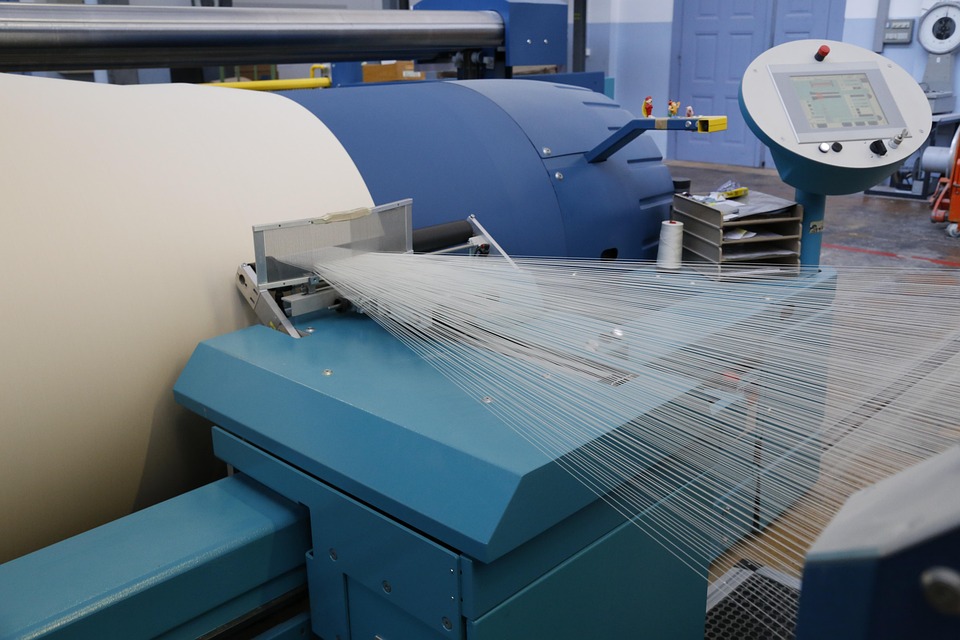
Pad dyeing is often chosen when stability and repeatability are paramount. In this method, fabric passes through a dye bath and then between padding rollers that control wet pickup with precision. Because pickup rates can be tightly regulated, color depth becomes highly predictable. This predictability allows manufacturers to reproduce shades consistently across multiple orders, which is especially important for B2B customers who require long-term color continuity for repeat styles or collections.
Overflow dyeing addresses a different set of challenges. Instead of mechanical pressure, it relies on controlled liquid circulation to carry fabric gently through the dyeing environment. This approach minimizes stress on delicate or layered fabrics, reducing the risk of creases, abrasion, or uneven dye distribution. When executed properly, overflow dyeing achieves deep penetration while preserving fabric structure and softness.
Why High Consistency Matters for B2B Buyers
In industrial textile markets, purchasing decisions are driven by risk management as much as by cost. Buyers sourcing dyed fabrics are not simply purchasing color—they are purchasing reliability. Inconsistent dyeing can lead to mismatched components, assembly delays, or outright rejection by downstream clients.
High consistency dyeing services support buyers in several practical ways:
-
They reduce quality inspection failures by maintaining tight color tolerances across batches.
-
They simplify supply chain coordination by ensuring that replenishment orders match previous deliveries.
-
They lower total production costs by minimizing re-dyeing, sorting, and waste.
-
They protect brand image by ensuring that finished products meet consumer expectations for appearance and durability.
For exporters and suppliers working with international brands, consistency is also a compliance issue. Many markets impose strict standards for colorfastness, rubbing resistance, and washing performance. Dyeing services that deliver consistent results help manufacturers meet these requirements reliably, shipment after shipment.
Pad Dyeing as a Foundation for Consistent Production
Pad dyeing remains one of the most widely adopted methods for achieving uniform coloration in large-scale textile manufacturing. Its strength lies in its controlled, continuous process design. Once parameters are set, the system produces highly repeatable results, making it well-suited for long production runs and standardized fabric lines.
In pad-steam or pad-dry processes, fabric moves through a precisely formulated dye liquor before excess dye is removed by padding rollers. The pressure applied by these rollers determines how much dye remains on the fabric, directly influencing shade depth. Because this step is mechanical and measurable, it provides a high degree of control over color outcome.
Another advantage of pad dyeing is efficiency. Compared to batch processes, it allows faster throughput and lower water consumption per meter of fabric. For manufacturers balancing production volume with environmental considerations, pad dyeing offers an effective solution without compromising color quality.

Overflow Dyeing for Complex and Delicate Fabrics
While pad dyeing excels in efficiency and consistency, certain fabrics demand a gentler approach. Multi-layer constructions, loosely structured textiles, and fabrics with sensitive surfaces can suffer damage if exposed to excessive mechanical pressure. Overflow dyeing is designed to address these needs.
In overflow systems, fabric circulates smoothly within the dye bath, guided by the flow of dye liquor rather than mechanical force. This minimizes friction and stress, preserving fabric integrity while allowing dye molecules to penetrate evenly. The result is a uniform shade with excellent depth, even in fabrics with varying thickness or internal layers.
Overflow dyeing is particularly effective for double-layer yarn-dyed fabrics and triple-layer cotton-lined materials, where dye must reach internal fibers without creating surface imbalance. When managed with precise temperature and flow control, this method delivers both visual uniformity and tactile softness.
Managing Colorfastness Beyond Initial Appearance
Uniform color at the time of production is only part of the equation. Long-term performance depends on how well dyes bond with fibers and withstand repeated use. Colorfastness—resistance to washing, rubbing, light, and perspiration—is a critical metric for evaluating dyeing quality.
High consistency dyeing services integrate colorfastness considerations from the beginning. Dye selection, fixation methods, and post-dyeing treatments are all chosen to enhance durability. Pad dyeing allows controlled fixation through steaming or drying stages, while overflow dyeing supports thorough dye-fiber interaction due to extended contact time.
Consistent colorfastness ensures that fabrics maintain their appearance throughout their intended lifespan. For home textiles, this means resisting fading after repeated laundering. For fashion applications, it means garments retain their original look even under daily wear.
Integrated Process Control and Technology
Modern dyeing facilities rely on more than experience alone. Advanced equipment and digital systems play a crucial role in maintaining consistency. Automated chemical dosing ensures accurate dye ratios, while digital recipe management stores precise formulations for future replication. Real-time monitoring systems track temperature, pH, and process duration, allowing immediate adjustments when necessary.
These technologies reduce human error and enhance reproducibility. When combined with skilled technicians who understand fabric behavior, they create a controlled environment where variability is minimized. This level of process integration is essential for meeting the expectations of demanding global buyers.
Applications Across Textile Categories
High consistency pad and overflow dyeing services support a wide range of applications, each with distinct technical requirements. In home textiles, uniform color and fastness are essential for large surface areas such as bedding, curtains, and upholstery. Any variation becomes immediately visible, making consistency a top priority.
In fashion textiles, color accuracy must align with design specifications and seasonal palettes. Designers expect dyed fabrics to match approved samples exactly, and manufacturers rely on stable dyeing processes to meet these expectations. For industrial and technical textiles, performance characteristics often outweigh aesthetics, but consistency remains critical for functional reliability.
Practical Advantages of Combined Dyeing Services
When pad dyeing and overflow dyeing are offered within the same facility, manufacturers gain flexibility. Each fabric type can be matched with the most suitable process, ensuring optimal results without compromise. This integrated approach allows dyeing providers to respond efficiently to diverse customer requirements.
The combined service model offers several operational advantages:
-
It supports both high-volume standardized production and specialized fabric treatments.
-
It reduces lead times by eliminating the need for multiple external suppliers.
-
It ensures consistent quality across different product lines.
-
It simplifies communication and quality control for buyers.
Comparative Overview of Pad and Overflow Dyeing
| Aspect | Pad Dyeing | Overflow Dyeing |
|---|---|---|
| Process Type | Continuous | Batch circulation |
| Mechanical Stress | Moderate | Very low |
| Color Consistency | Excellent for repeats | Excellent for complex fabrics |
| Penetration Depth | Controlled and uniform | Deep and gentle |
| Suitable Fabrics | Large-volume, flat fabrics | Multi-layer, delicate fabrics |
| Production Efficiency | High | Moderate |
| Handfeel Preservation | Good | Excellent |
Supporting Long-Term Partnerships Through Reliability
Consistency in dyeing fosters trust. When buyers receive fabrics that match previous deliveries in color, texture, and performance, confidence grows. This reliability forms the basis of long-term partnerships between dyeing service providers and their clients.
For manufacturers, consistent dyeing simplifies inventory planning and quality assurance. For brands, it ensures that collections remain cohesive across seasons. For end consumers, it delivers products that meet expectations and perform as promised.
Environmental and Quality Balance
Efficiency and sustainability are increasingly interconnected. High consistency dyeing reduces waste by minimizing rejected batches and reprocessing. Controlled processes also support more efficient use of water, energy, and chemicals. By optimizing dye uptake and fixation, modern dyeing services achieve both quality and environmental objectives.
Pad dyeing’s lower liquor ratios and overflow dyeing’s gentle circulation both contribute to responsible resource use when managed correctly. This balance is particularly important for suppliers serving environmentally conscious markets.
Consistency as a Competitive Advantage
In a textile industry defined by precision and reliability, high consistency pad and overflow dyeing services provide a decisive competitive edge. They enable manufacturers to deliver uniform, colorfast fabrics that meet the technical and aesthetic demands of modern markets. Through controlled processes, advanced technology, and skilled execution, these dyeing methods transform color from a variable risk into a dependable asset.
As fabric structures continue to evolve and quality expectations rise, the importance of consistent dyeing will only grow. Manufacturers who invest in stable, integrated dyeing solutions position themselves to meet current demands while remaining adaptable to future challenges. In this context, high consistency is not merely a technical achievement—it is a strategic foundation for long-term success.