
Introducción
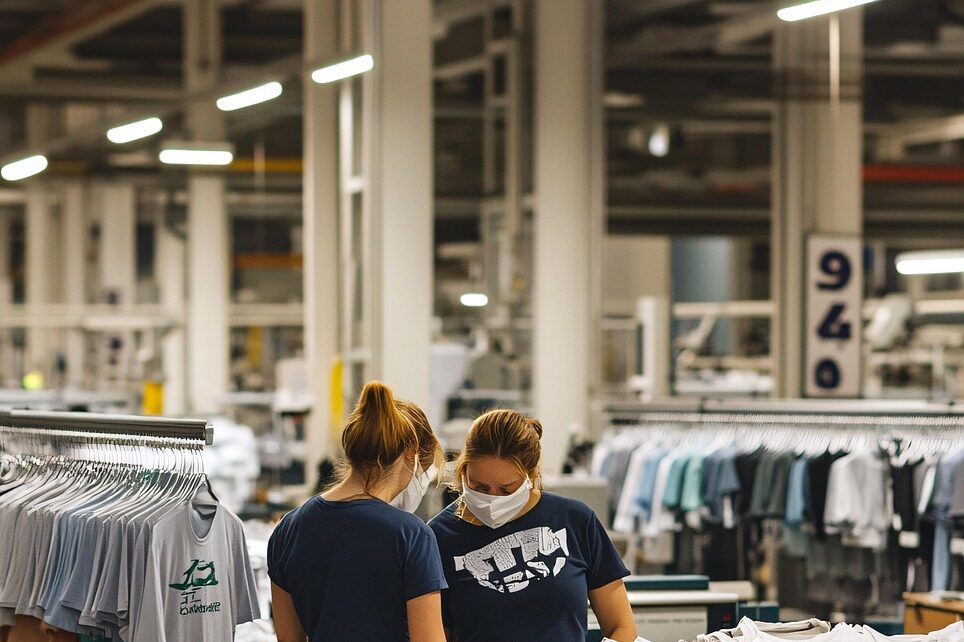
For textile manufacturers, achieving the right fabric handfeel is essential for creating high-value products. However, untreated fabrics often feel stiff and rough after production, which can affect comfort, appearance, and customer experience.
Customized washed finish treatments transform raw textiles into softer, smoother, and more flexible fabrics through controlled washing and finishing processes. By adjusting the treatment based on fiber type, fabric construction, and application needs, manufacturers can achieve the desired softness, drape, shrinkage control, and surface effect.
From bedding and apparel to home textiles, customized washed finish treatments help brands improve fabric quality and create products with a more premium feel. This guide explains how these treatments work and why they are becoming an important finishing solution for modern textile production.
What Exactly Are Customized Washed Finish Treatments?
The Basics of Fabric Washing
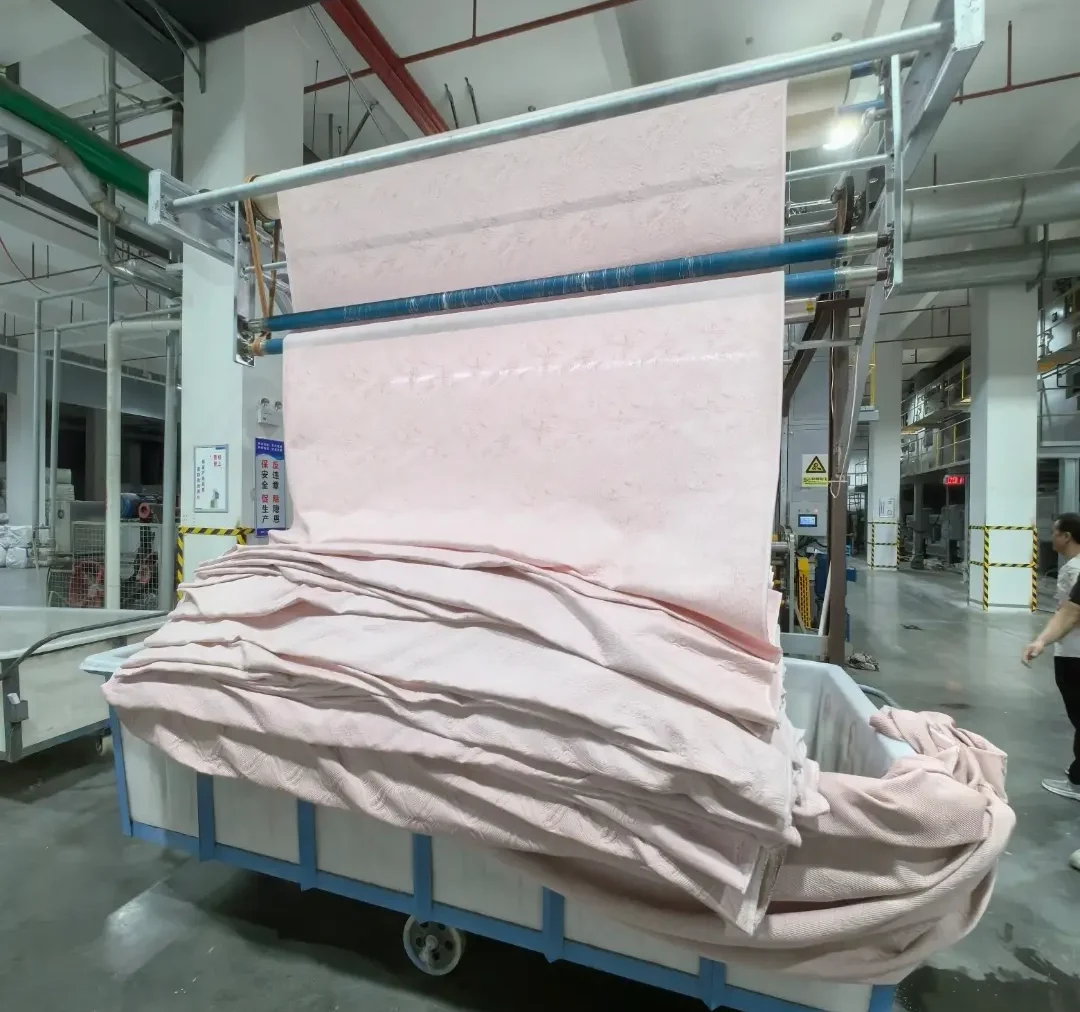
Customized washed finish treatments are controlled industrial washing processes applied to woven or knitted fabrics to improve softness, drape, and overall fabric performance. Unlike standard laundering, industrial washing uses precisely controlled factors such as temperature, mechanical action, chemical agents, and processing time to achieve consistent results.
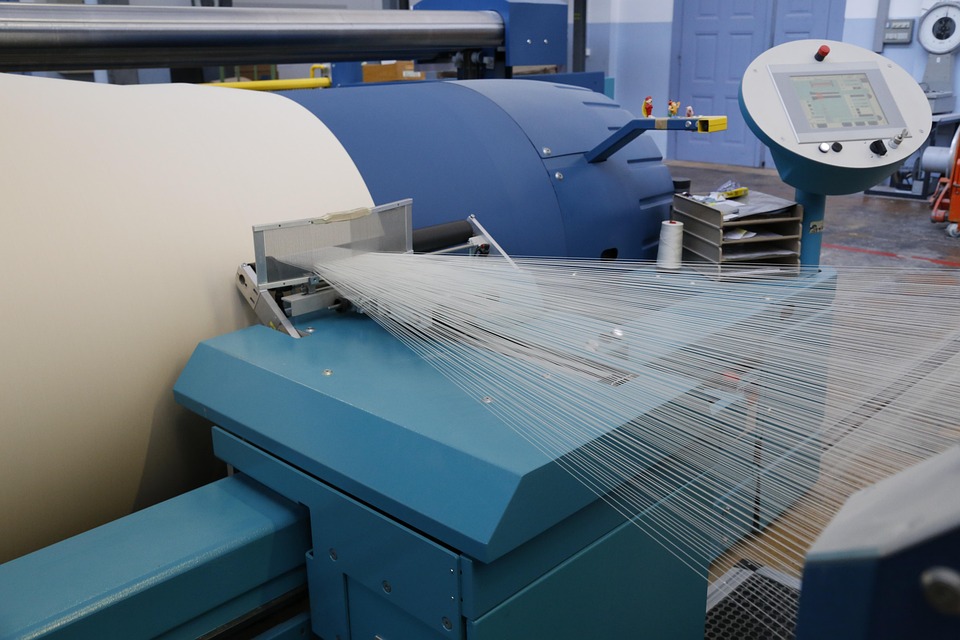
During the process, surface impurities are removed, fiber tension is relaxed, and the fabric develops a smoother, softer handfeel while maintaining its original strength and structure. Advanced washing equipment also allows manufacturers to control key parameters across large production batches, ensuring stable quality for different textile applications.
Common Types of Washed Finish Treatments
Different washing techniques create different fabric effects:
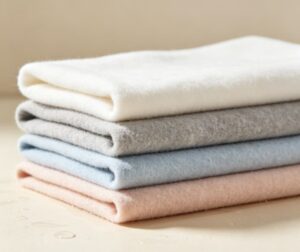
- Soft wash – Creates a soft, comfortable handfeel while maintaining the original appearance, making it widely used for bedding and loungewear.
- Pre-wash – Reduces shrinkage and improves dimensional stability, helping fabrics maintain their size and performance after repeated washing.
- Natural-fade wash – Produces a relaxed, vintage-style appearance with subtle color variations, popular in casual apparel.
- Enzyme wash – Uses enzymes to remove surface fibers and create a smoother, softer texture while preserving fabric durability.
- Silicone softening – Adds a silky touch and improves drape for premium textile products.
By adjusting factors such as wash time, temperature, chemical concentration, and mechanical intensity, manufacturers can customize the final fabric performance based on specific requirements.
How Do Washed Finishes Improve Fabric Performance?
Relaxing Fiber Tension
During weaving or knitting, yarns remain under tension, which can make fabrics feel stiff and less flexible. Customized washed finish treatments release this tension through controlled moisture and mechanical movement, creating fabrics with improved softness, flexibility, and drape.
Improving Surface Smoothness
Washing treatments also modify the fabric surface by reducing rough fiber ends and lowering friction between yarns. Combined with softening agents such as silicone or cationic finishes, the process creates a smoother texture and a more comfortable feel against the skin.
Enhancing Moisture Management
Depending on the finishing formula, washed treatments can also improve moisture absorption, drying performance, and overall comfort. This makes them suitable for various applications, including bedding, apparel, towels, and other home textiles where softness and comfort are important.
Why Customization Matters: One Size Doesn’t Fit All
Different Fabrics, Different Needs
Not every fabric responds to washing treatments in the same way. A process suitable for lightweight cotton bedding may not work for heavy fabrics or delicate blends. This is why customized washed finish treatments are essential for achieving consistent softness, appearance, and performance.
The ideal finishing process depends on factors such as fiber type, yarn structure, fabric weight, and weave density. For example, delicate fibers like viscose and modal require gentler treatment conditions, while stronger fibers like cotton can handle more intensive washing processes. For blended fabrics, selecting the right softeners is also important to ensure an even handfeel across different fibers.
Tailored Solutions for Different Applications
The end use of the fabric determines the required finish. Bedding and home textiles often prioritize softness, breathability, and skin comfort, while apparel focuses more on drape, flexibility, and appearance. Industrial textiles may require enhanced durability alongside improved handfeel.
With customized washed finish treatments, manufacturers can adjust the process to achieve specific product goals, whether creating soft bedding fabrics, relaxed casual wear, or durable textile products.
Consistency for Large-Scale Production
Maintaining consistent quality across large production volumes is one of the biggest challenges in textile finishing. Differences in temperature, washing time, or chemical concentration can result in uneven softness, shrinkage, or color variation.
Professional finishing facilities use controlled processes, automated equipment, and precise monitoring systems to ensure stable results from batch to batch. This consistency is especially important for brands and manufacturers handling large export orders.
Key Techniques in Customized Washed Finish Treatments
Soft-Wash Finishing
Soft-wash finishing uses mild detergents and softening agents to create a smooth, comfortable handfeel while preserving the fabric’s original appearance. It is widely used for bedding, loungewear, and other products requiring next-to-skin comfort.
Lavado enzimático
Enzyme washing uses biological enzymes to remove surface fibers and improve softness while maintaining fabric strength. It is commonly applied to cotton and other cellulose-based fabrics, offering a smoother finish with reduced reliance on traditional abrasive washing methods.
Silicone Softening
Silicone softening creates a silky handfeel, improved drape, and a more premium fabric touch. It is often combined with other washing processes to enhance the overall quality of bedding and apparel textiles.
Natural-Fade and Vintage Washes
Natural-fade and vintage washes create a relaxed appearance with subtle color variations. These finishes are popular in casual apparel and fashion products where both texture and visual appeal are important.
Combination Treatments
For higher-end textile applications, multiple finishing techniques can be combined. A pre-wash may improve dimensional stability, followed by enzyme washing for softness and silicone finishing for a smoother touch. This allows manufacturers to achieve more precise fabric performance and appearance.
Comparing Washed vs. Unwashed Fabrics: A Side-by-Side Look
To fully appreciate the value of customized washed finish treatments, it’s helpful to see how treated and untreated fabrics compare across multiple dimensions:
| Propiedad | Washed Fabric (with customized finish) | Unwashed Fabric (untreated) |
|---|---|---|
| Handfeel | Soft, flexible, drapable, inviting | Stiff, rigid, board-like, scratchy |
| Surface Texture | Smooth, refined, low friction | Rough, uneven, high friction |
| Drape | Fluid, natural, graceful | Stiff, awkward, unyielding |
| Dimensional Stability | Pre-shrunk, stable, predictable | Prone to shrinkage, unpredictable |
| Comfort | Pleasant against skin, moisture-wicking | Uncomfortable, irritating |
| Aesthetic | Relaxed, lived-in, premium | Crisp, factory-fresh, generic |
| Perceived Quality | High, desirable, luxury | Basic, unrefined, low-end |
| Durability of Softness | Lasts through multiple washes | Softens only with consumer laundering |
Industrial washing processes have been shown to reduce the “growth” values of untreated fabrics and reduce bagging during use. This means washed fabrics not only feel better initially but also maintain their shape better over time—a significant quality advantage for bedding and apparel that undergo frequent use and laundering.
Applications and Industries Benefiting from Customized Washed Finish Treatments
Bedding and Home Textiles
In the bedding and home textile industry, fabric softness directly influences product value and customer satisfaction. Consumers expect sheets, pillowcases, and duvet covers to deliver a smooth, comfortable feel from the first use. Customized washed finish treatments help manufacturers achieve this by relaxing fiber tension, reducing stiffness, and creating a softer, more refined fabric surface.
Washed cotton bedding is especially popular for its balance of softness, breathability, and durability. Through controlled washing processes, fabrics can be pre-shrunk to improve dimensional stability and maintain their shape after repeated laundering. For premium bedding collections, combining soft-wash treatments with moisture management finishes can further enhance comfort and provide a better sleep experience.
Casual Apparel and Fashion
In apparel manufacturing, fabric handfeel and appearance play a major role in product differentiation. Customized washed finish treatments allow brands to create fabrics with a relaxed texture, improved drape, and a comfortable worn-in feel that appeals to modern consumers.
From casual shirts and denim to loungewear and everyday garments, washed finishes help create distinctive product characteristics. Natural-fade and enzyme washing techniques can add subtle color variation and a vintage aesthetic, helping apparel brands develop unique collections while maintaining consistent quality in bulk production.
Hospitality and Institutional Textiles
Hotels, resorts, and healthcare facilities require textiles that combine comfort, durability, and easy maintenance. Customized washed finish treatments can be adapted for high-frequency laundering environments, helping fabrics maintain softness and appearance even after repeated washing cycles.
For hospitality businesses, premium bedding creates a stronger guest experience and reflects overall service quality. In healthcare and institutional applications, selecting suitable finishing processes can also improve fabric comfort, moisture management, and long-term performance.
Workwear and Performance Fabrics
Although durability is the priority for workwear and performance textiles, comfort remains an important factor for end users. Customized washed finish treatments can soften heavy-duty fabrics while preserving strength, making them suitable for industrial uniforms, outdoor clothing, and functional textile applications.
By adjusting washing parameters according to fabric composition and end-use requirements, manufacturers can achieve the right balance between softness, flexibility, and durability.
Sustainability Considerations
Sustainable textile production has become an increasingly important consideration for brands and manufacturers. Many modern finishing suppliers are adopting eco-conscious solutions, including water-saving washing processes, biodegradable softeners, and reduced-chemical finishing technologies.
For example, enzyme washing is often considered a more sustainable alternative to traditional abrasive washing methods because it can reduce water consumption and minimize fabric damage. Water-based silicone softeners also provide a more environmentally responsible option compared with solvent-based alternatives.
By incorporating sustainable customized washed finish treatments, textile manufacturers can improve fabric performance while supporting customers’ environmental goals and market positioning.
The Long-Term Value: More Than Just Softness
Customized washed finish treatments provide more than a softer handfeel—they add measurable value throughout the textile supply chain. For manufacturers and brands, these treatments help transform standard fabrics into premium materials with improved comfort, appearance, and performance.
Pre-shrinking and fabric stabilization can reduce dimensional changes after washing, helping lower customer complaints and product returns. Enhanced drape and surface texture also improve the visual appeal of finished products, giving brands more opportunities to create differentiated collections.
From bedding suppliers to apparel manufacturers, investing in customized finishing solutions demonstrates a commitment to quality and product innovation. In today’s competitive textile market, fabrics that deliver superior touch, durability, and consistency can become a key advantage for building brand value.
Preguntas Frecuentes
1. What exactly are customized washed finish treatments?
They are controlled industrial washing processes applied to fabric after weaving. They use temperature, mechanical action, and chemicals to soften, pre-shrink, or create vintage effects, tailoring handfeel and appearance to specific product needs.
2. How do washed fabrics differ from unwashed ones?
Washed fabrics are softer, more drapable, and pre-shrunk. Unwashed ones feel stiff, scratchy, and may shrink later. Washed materials offer immediate comfort and better dimensional stability after laundering.
3. Can any fabric receive customized wash treatments?
Most natural and synthetic fibers can be washed, but parameters must be customized per fiber type. Cotton, linen, viscose, and blends respond well. Delicate fibers need gentler cycles. A skilled finisher adjusts accordingly.
4. Are these treatments environmentally friendly?
Many are. Enzyme washing uses less water and chemicals than stone washing. Eco-friendly softeners and water-saving technologies are available. Sustainable options help reduce environmental impact while achieving excellent softness.
5. How long does the softness last?
With quality silicone or durable softeners, the softness lasts through many home launderings. Pre-wash also stabilizes the fabric so it retains its feel longer than untreated fabrics that stiffen after washing.
Elevate Your Fabrics With Customized Finishing Solutions
Customized washed finish treatments help textile manufacturers improve fabric softness, stability, and appearance while creating products with stronger market appeal. Whether for premium bedding, apparel, or home textiles, these finishing processes enhance handfeel, drape, and overall product quality.
With advanced equipment, experienced technicians, and flexible customization capabilities, our customized washed finish treatments include soft-wash, pre-wash, enzyme wash, natural-fade, and silicone softening options to meet different fabric requirements.
Ready to enhance your textile products? Explore our Customized Washed & Soft-Finish Treatments and discover how customized washed finish treatments can help improve fabric performance and create more competitive products. Supported by 25,000 m² of standardized facilities and professional finishing expertise, we deliver consistent quality for bedding, apparel, and home textile applications. Contact us today to discuss your specific requirements.