
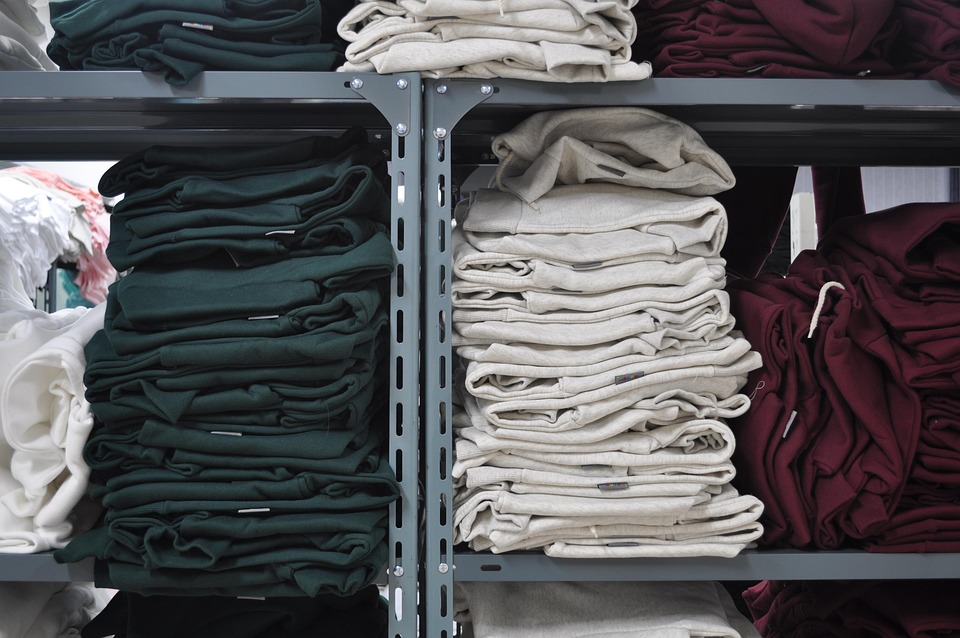
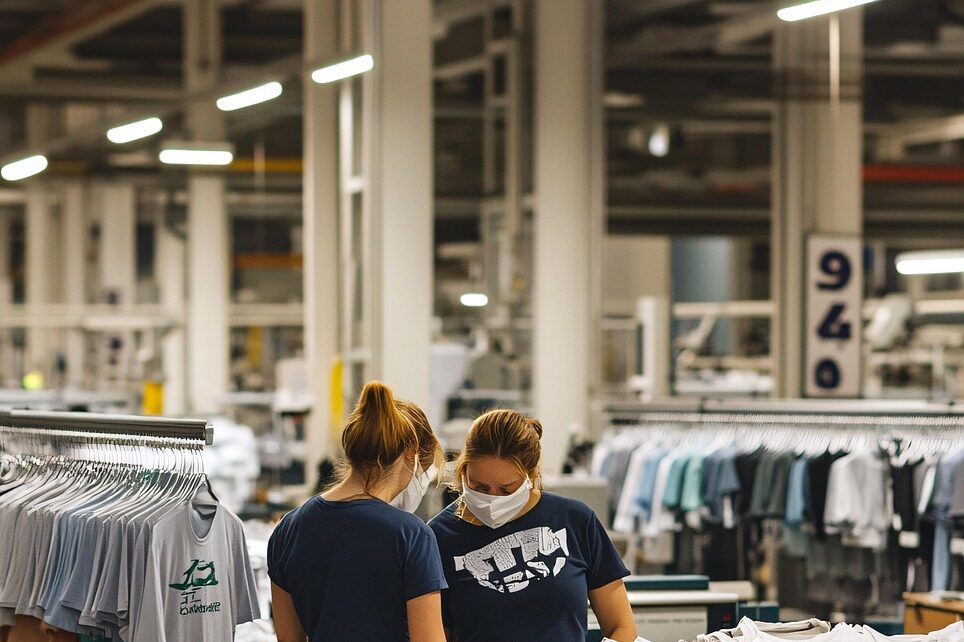
The sensation of premium home textiles is a quiet luxury, an experience often taken for granted. It is the cool, smooth touch of a high-thread-count duvet cover against the skin, the plush absorbency of a new bath towel, and the comforting weight of a perfectly draped quilt. This final, perfected state is not an accident of weaving; it is the deliberate and masterful result of home textile finishing. While the loom creates the structure, the finishing processes breathe life, character, and performance into the fabric. They are the unseen science that transforms a raw, abrasive, and dimensionally unstable material—known in the industry as greige fabric—into a product that is not only beautiful but also durable, functional, and safe.
Essential Pre-Finishing Processes
Before any value-adding finish can be applied, the raw fabric must be rigorously prepared. Greige fabric, straight from the loom, is laden with impurities that render it unsuitable for dyeing and finishing. These include natural elements like waxes, pectins, and cotton seeds, as well as processing aids like sizing agents, lubricants, and accumulated dirt. The goal of pre-treatment is to systematically remove all of these impurities, creating a uniformly absorbent, clean, and white “blank canvas.” Without this crucial preparatory stage, subsequent processes like dyeing would be blotchy, and finishes would be ineffective.
1. Singeing & Desizing: Creating a Clean Surface
The journey begins with creating a perfectly smooth surface. Protruding fibers on the fabric surface, if not removed, can lead to pilling (the formation of small, unsightly fuzzballs) and create a hazy appearance after dyeing. The Singeing process addresses this by passing the fabric at high speed over precisely controlled flames or heated plates. This action instantly burns off the stray fibers without damaging the body of the fabric, resulting in a cleaner, smoother face that enhances luster and print clarity.
Next, the fabric must undergo Desizing. During weaving, warp yarns are coated with sizing agents—typically starch-based or synthetic polymers—to give them the strength and abrasion resistance needed to withstand the immense stresses of the loom. This sizing is essential for production but forms a barrier that prevents water and chemicals from penetrating the fiber. Desizing removes this coating. The most common method, enzymatic desizing, uses amylase enzymes to break down starch into water-soluble sugars that can be easily washed away. The result is a fabric that is softer and, most importantly, absorbent, ready for the deep cleaning to come.
2. Scouring: The Deep Cleanse
While desizing removes applied impurities, Scouring is the industrial-scale “deep clean” that removes the natural ones. For cotton, this means eliminating the natural waxes, oils, and pectins inherent in the fiber. This process is typically performed in a hot alkaline solution (using sodium hydroxide) containing detergents and surfactants. The alkaline environment saponifies the waxes and oils—turning them into soap-like substances—while the surfactants help to emulsify and suspend all impurities in the water so they can be thoroughly rinsed out. A properly scoured fabric is highly hydrophilic (water-absorbent), which is the single most important prerequisite for uniform dyeing and finishing. For a towel, this absorbency is its primary function; for a duvet cover, it ensures that dyes and softeners can penetrate every fiber evenly.
3. Bleaching: Achieving Pure White
After scouring, the fabric is clean but carries a natural, yellowish or off-white tint from the natural pigments in the fiber. Bleaching is the chemical process used to destroy these color bodies and achieve a high degree of whiteness. This pure white base is essential for three reasons: for products sold as white goods, as a base for dyeing pastel and bright shades, and to ensure color accuracy in printing. The modern industry standard for bleaching is hydrogen peroxide (H₂O₂). It is favored over older chlorine-based agents because its byproducts (water and oxygen) are harmless, making it a more environmentally friendly choice. The process is carefully controlled in terms of temperature, pH, and time to achieve maximum whiteness without damaging the cellulose fiber, which would reduce the fabric’s strength.
4. Mercerization: The Lustrous Transformation of Cotton
Perhaps the most transformative pre-treatment for cellulosic fibers like cotton and linen is Mercerization. This process involves treating the fabric under tension with a cold, concentrated solution of sodium hydroxide (caustic soda). The effect on the cotton fiber is profound and permanent. Microscopically, the flat, kidney-bean-shaped cotton fiber swells and becomes a round, more uniform cylinder. This structural change yields four critical benefits:
- Increased Luster: The new, rounded surface reflects light more evenly, giving the fabric a beautiful, silk-like sheen. This is a hallmark of premium cotton sheeting.
- Improved Dye Affinity: Mercerized cotton can absorb significantly more dye (up to 25% more) than unmercerized cotton. This leads to deeper, more vibrant shades and better overall color yield, providing economic and environmental benefits.
- Enhanced Strength: The process strengthens the cotton fiber, resulting in a more durable final product that can better withstand repeated laundering.
- Better Dimensional Stability: The pre-swelling and tensioning of the fibers help to reduce a fabric’s natural tendency to shrink during use and washing.
Mercerization is a significant value-adding step, elevating a standard cotton fabric into the premium category. At the conclusion of these pre-treatment stages, the greige fabric has been completely transformed. It is now clean, white, absorbent, and dimensionally prepared—a perfect canvas awaiting the artistry of mechanical and chemical finishing.
Mechanical Finishing Techniques
With the fabric perfectly prepared, the next stage involves manipulating its physical properties through mechanical finishing. These processes use controlled applications of pressure, temperature, and friction to alter the fabric’s handfeel, appearance, and dimensions without the primary use of chemicals. They are responsible for the tactile qualities we associate with comfort and luxury.
1. Sanforization (Shrink-Control): Guaranteeing Stability
For home textiles that undergo repeated washing, such as bed linens and towels, dimensional stability is non-negotiable. There is nothing more frustrating for a consumer than a fitted sheet that no longer fits after the first wash. Sanforization, or compressive shrinkage, is the definitive mechanical process that guarantees shrink-control. This ingenious process pre-shrinks the fabric in a highly controlled manner. The fabric is first moistened with steam, which relaxes the fibers. It is then stretched over a thick rubber blanket that is compressed against a heated, rotating cylinder. As the rubber blanket retracts to its original size after passing the cylinder, it carries the fabric with it, forcing the warp yarns closer together in a precise and permanent manner. The fabric is then dried to lock this new, compacted structure in place. The result is a “sanforized” fabric that will typically shrink less than 1% during its lifetime, a critical quality standard for all high-grade bedding.
2. Calendering: The Pursuit of Smoothness and Luster
Calendering is the textile equivalent of ironing on an industrial scale. The process involves passing the fabric through a series of heated, high-pressure rollers (calenders). The effect varies depending on the roller type, temperature, and pressure applied. A standard calendering process simply flattens the yarns and the fabric surface, resulting in a smoother, more compact fabric with a subtle sheen. It closes the gaps between the yarns, which can also reduce air permeability, a useful property for quilt-core fabrics designed to prevent fiber migration. More specialized calendering, such as “cire” finishing, uses very high heat and pressure to partially melt the surface of synthetic fabrics, creating a wet or polished look. For cotton, a “Schreiner” calender can engrave the fabric with thousands of fine lines, creating a soft, diffused luster.
3. Sueding, Peaching, and Brushing: Engineering Softness
The pursuit of a soft, luxurious handfeel is paramount in home textiles. Mechanical finishing offers several techniques to achieve this by physically raising fibers from the fabric surface.
- Sueding or Peaching: This process creates a soft, supple surface with a texture reminiscent of peach skin. The fabric is passed over rollers covered in abrasive emery paper or a carbon-fiber brush. This action gently abrades the surface, breaking some of the surface fibers and bringing their ends to the top, creating a very short, dense, and uniform pile. The result is a beautifully soft handfeel and a muted, elegant appearance.
- Brushing: This is a similar but slightly more aggressive process. The fabric is passed over rollers covered in fine wire bristles that are angled to catch and lift fibers from the yarn structure. Depending on the intensity, brushing can create anything from a subtle softness to the thick, cozy pile of flannel sheeting. It is a key process for creating fabrics with enhanced warmth and a plush feel.
These surface-finishing techniques are central to “handfeel optimization” and are carefully calibrated to produce a specific sensory experience for the end-user.
4. Tendering / Stentering: The Backbone of Finishing
Though less of a “finishing” process and more of a “handling” one, the tenter frame (or stenter) is arguably the most important piece of machinery in a finishing plant. This long machine holds the fabric by its edges (selvedges) with clips or pins and carries it through a heated chamber. The tenter frame serves several critical functions simultaneously: it dries the fabric after wet processes, it allows for the application of chemical finishes (the “pad-dry-cure” method), and it precisely controls the fabric’s final width. By holding the fabric under tension as it dries, the tenter frame corrects any distortions in the weave and ensures the material is dimensionally uniform, straight, and ready for its final cut-and-sew stage.
Through this combination of mechanical processes, the textile is given its final form, drape, and feel. The once-flat canvas is now dimensionally stable, lustrous, and invitingly soft to the touch, ready for the final performance-enhancing chemical treatments.
Chemical Finishing Techniques
Chemical finishing is where textiles are imbued with specific, functional properties that enhance their performance, longevity, and ease of care. This is achieved by applying chemical formulations to the fabric, which either coat the fibers or form chemical bonds with them. These finishes are responsible for many of the key selling points of modern home textiles.
1. Softening: The Chemistry of Comfort
While mechanical processes like sueding create softness, chemical softeners perfect it, delivering a vast range of handfeels tailored to specific products. These liquid formulations are applied to the fabric (typically during the final rinse or on a tenter frame) and work by lubricating the fibers, allowing them to move more freely against each other. This reduces internal friction, resulting in a fabric that feels suppler, fuller, and more pliable. The main categories of softeners include:
- Cationic Softeners: These are highly effective and provide a full, silky handfeel. However, they can sometimes affect color brightness and have a higher environmental impact.
- Silicone Softeners: Extremely versatile, silicones can create a wide array of effects, from a slick, cool feel to a soft, bouncy one. They also improve wrinkle resistance and tear strength. Micro-emulsion silicones penetrate deep into the yarn, providing excellent inner softness and durability.
- Fatty Acid / Wax-Based Softeners: These provide a classic, slightly waxy but very natural soft feel and are often used to enhance the hand of natural fibers.
Expert finishing involves creating a precise “recipe,” often blending different types of softeners to achieve a signature handfeel that defines a brand’s bedding or towel line.
2. Colorfastness Reinforcement: Locking in the Color
For export-grade textiles, colorfastness is a critical quality parameter. It measures a fabric’s ability to retain its original color without fading or bleeding when exposed to various conditions. A beautiful design is worthless if its colors run in the first wash or fade in the sun. Chemical finishing plays a crucial role in improving fastness properties through the use of fixing agents. After dyeing, these agents are applied to “lock” the dye molecules more securely within the fiber. They work by forming a complex with the dye molecule, making it larger and less soluble, thus preventing it from being washed out. This reinforcement is tested against several standards:
- Wash Fastness: Resistance to color loss during laundering.
- Rub Fastness (Crocking): Resistance to color transfer when rubbed against another surface, both wet and dry.
- Light Fastness: Resistance to fading upon exposure to sunlight.
- Perspiration Fastness: Resistance to color change when exposed to acidic and alkaline perspiration.
Achieving high marks in all these areas is essential for premium products and is a key indicator of a high-quality finishing process.
3. Wrinkle-Resistant / Easy-Care Finishes
One of the most valuable consumer-driven innovations is the “easy-care” or “wrinkle-free” finish, especially for 100% cotton sheeting. Cotton’s natural molecular structure (cellulose) contains hydrogen bonds that are easily broken by water and reformed in a wrinkled state upon drying. Wrinkle-resistant finishes combat this by applying a cross-linking resin. This chemical penetrates the cotton fiber and, during a high-temperature curing process, forms permanent bonds between adjacent cellulose chains. These “cross-links” act like a molecular memory, preventing the hydrogen bonds from reforming in a disordered way and helping the fabric to spring back to its smooth, original state after washing. While early resins were based on formaldehyde, the modern industry has shifted to ultra-low or zero-formaldehyde resins to meet stringent safety standards like OEKO-TEX®.
High-Performance & Functional Finishes
Beyond the core properties of softness and stability, the frontier of home textile finishing lies in creating “smart” or “functional” fabrics that offer active benefits to the user. These high-performance finishes add significant value and are becoming key differentiators in the premium and technical textile markets.
1. Antimicrobial and Odor-Control Finishes
Bedding and towels are ideal environments for the growth of bacteria, mold, and mildew, which can lead to unpleasant odors and fabric degradation. Antimicrobial finishes address this by inhibiting the growth of these microorganisms. The technologies are sophisticated and varied:
- Silver-Based Agents: Silver ions are highly effective at disrupting the cellular functions of bacteria, preventing them from multiplying. These finishes are durable and offer long-lasting odor control.
- Quaternary Ammonium Compounds (Quats): These molecules physically rupture the cell walls of microbes on contact.
- Zinc Pyrithione: A common antifungal and antibacterial agent that provides broad-spectrum protection.
These finishes not only keep textiles fresher for longer, reducing the need for frequent washing, but also contribute to a more hygienic sleep environment.
2. Flame Retardant (FR) Finishes
In certain sectors, particularly hospitality, healthcare, and children’s products, fire safety is a legal and ethical requirement. Flame-retardant finishes are designed to reduce the flammability of textiles. They work in several ways: some release gases that interfere with the combustion process, while others promote the formation of a char layer on the fabric surface, which acts as a barrier to the underlying material. The chemistry must be carefully selected based on the fiber type (natural vs. synthetic) and the specific FR standards that need to be met.
3. Thermal-Regulating Finishes
One of the most exciting innovations in performance bedding is the use of Phase Change Materials (PCMs). Originally developed for NASA, this technology involves embedding micro-encapsulated PCMs into the fabric. These microcapsules contain a specialized wax that absorbs heat when the body is warm (turning from solid to liquid) and releases heat when the body is cool (turning back to solid). This dynamic process helps to buffer temperature fluctuations throughout the night, keeping the sleeper within their optimal “thermal comfort zone.” The result is a more restful sleep with less tossing and turning due to being too hot or too cold.
The Green Revolution in Textile Finishing
The textile industry, and finishing in particular, has historically been a resource-intensive field. However, a profound shift towards sustainability is reshaping every aspect of the process. For B2B buyers, a supplier’s commitment to eco-friendly practices is no longer a bonus; it is a core requirement, driven by consumer demand and global regulations.
1. Addressing the Environmental Impact
Traditional finishing processes consumed vast amounts of water for washing and rinsing, energy for heating and drying, and a wide range of chemicals, some of which were hazardous. The modern finishing plant is defined by its efforts to mitigate this impact.
2. The Pillars of Sustainable Finishing
- Water Conservation: The focus is on radical water reduction. This is achieved through ultra-low liquor ratio machines that use less water per kilogram of fabric, advanced water treatment and recycling systems that allow for the reuse of process water, and innovative application techniques like foam finishing, where chemicals are suspended in foam instead of water, dramatically cutting down consumption.
- Sustainable Chemistry: There is a global movement towards safer, greener chemicals. This includes the replacement of formaldehyde-based resins, the phase-out of long-chain fluorocarbons (PFCs) in repellent finishes, and the avoidance of any chemicals listed on restricted substance lists like the one from the ZDHC (Zero Discharge of Hazardous Chemicals) Foundation. The use of biodegradable softeners and natural dyes is also on the rise.
- Energy Efficiency: Modern tenter frames are equipped with sophisticated heat recovery systems that capture hot exhaust air to pre-heat incoming air, significantly reducing natural gas or electricity consumption. More efficient motors and optimized process times also contribute to a lower carbon footprint.
3. Certifications as the Language of Trust
For B2B buyers, navigating claims of sustainability can be complex. Third-party certifications provide a clear, verifiable language of trust and assurance.
- OEKO-TEX® STANDARD 100: This is a globally recognized testing and certification system for textiles. If a product carries this label, it means every component—from the thread to the final finish—has been tested for a long list of harmful substances and found to be safe for human health.
- Global Organic Textile Standard (GOTS): GOTS is the gold standard for organic textiles. It guarantees that the fiber is certified organic and, crucially, that the entire processing chain—including all finishing steps—adheres to strict environmental criteria (e.g., water treatment, approved chemical inputs only) and social criteria (e.g., fair labor practices).
- bluesign®: The bluesign® system is a holistic approach to sustainable production. It focuses on resource productivity, consumer safety, water emissions, air emissions, and occupational health & safety. A bluesign® APPROVED fabric means it was created with the highest degree of safety for the environment, workers, and consumers.
A partnership with a finishing house that holds these certifications is a guarantee of not only a safe and high-quality product but also a responsible and future-proof supply chain.
Your Partner in Finishing Excellence
The passage from a stiff, raw cloth to a luxurious, high-end home textile is a tribute to the power and accuracy of modern textile finishing. It’s a multi-step procedure that involves science and technology to create comfort, beauty, and durability in every fiber. The final stage isn’t considered an afterthought; it’s the critical phase during which a product’s core attributes and value are formulated. From the initial purity achieved in pretreatment to the guaranteed stability of sanforization and the targeted performance of chemical and functional treatments, each step is a deliberate act of quality creation.
Today’s complex market has a demanding reputation; the quality of your product is directly related to the expertise of your manufacturing partners. Selecting the appropriate finish for the enterprise is not simply a decision of sourcing; it is also a strategic partnership. An accomplished finisher not only possesses state-of-the-art machinery but also has a deep knowledge of chemistry, a commitment to sustainability, and the creative spirit necessary to create products that are leading in the market. They’re the protectors of your brand’s reputation, which ensures that the final product that is delivered to the consumer meets its promise of comfort, quality, and long-term value.
The future of domestic textile products is anticipated by more intelligent, more sustainable, and more individualized products. As we continue to stretch the boundaries of what fabric can achieve, the science and art of finishing will still be the driving force of this innovation, converting simple strands of fabric into the very fabric of our lives.