
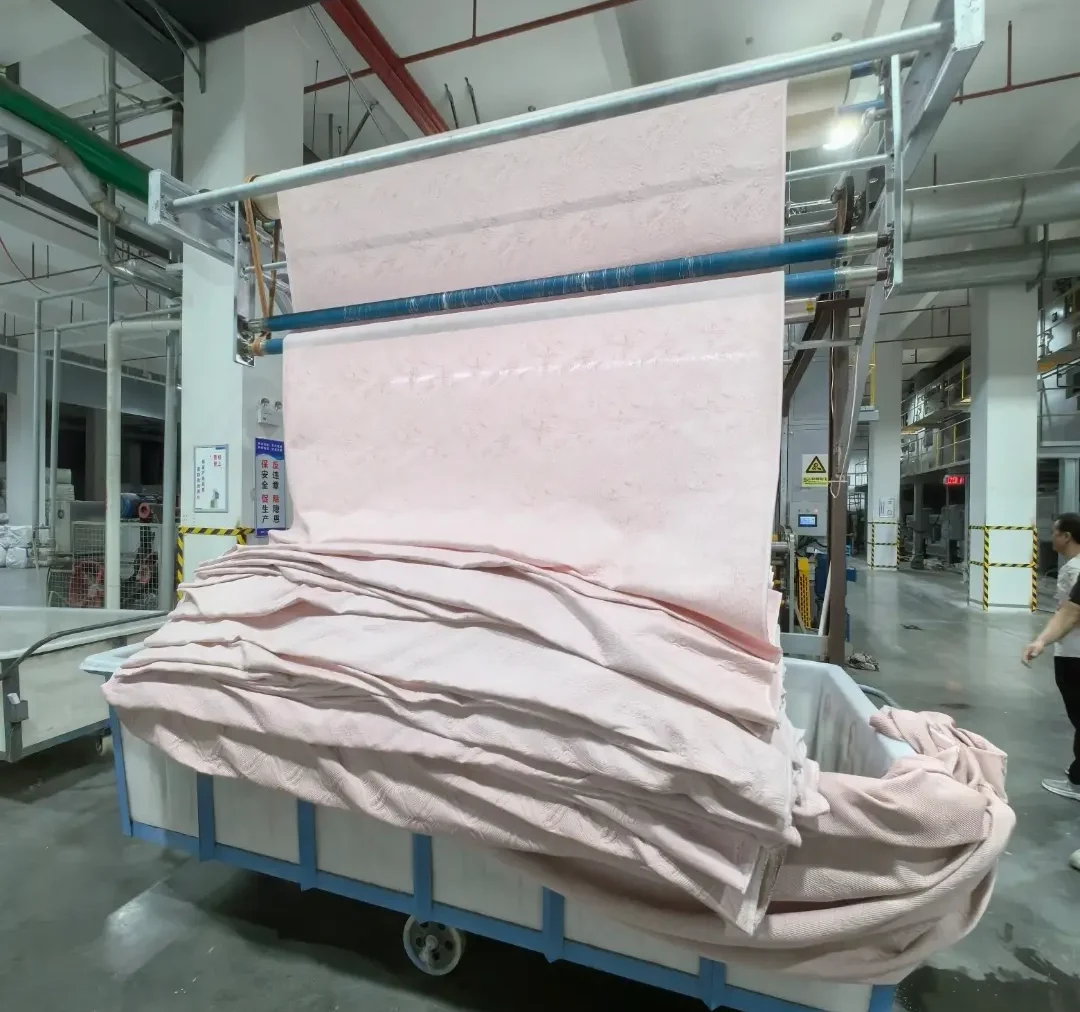
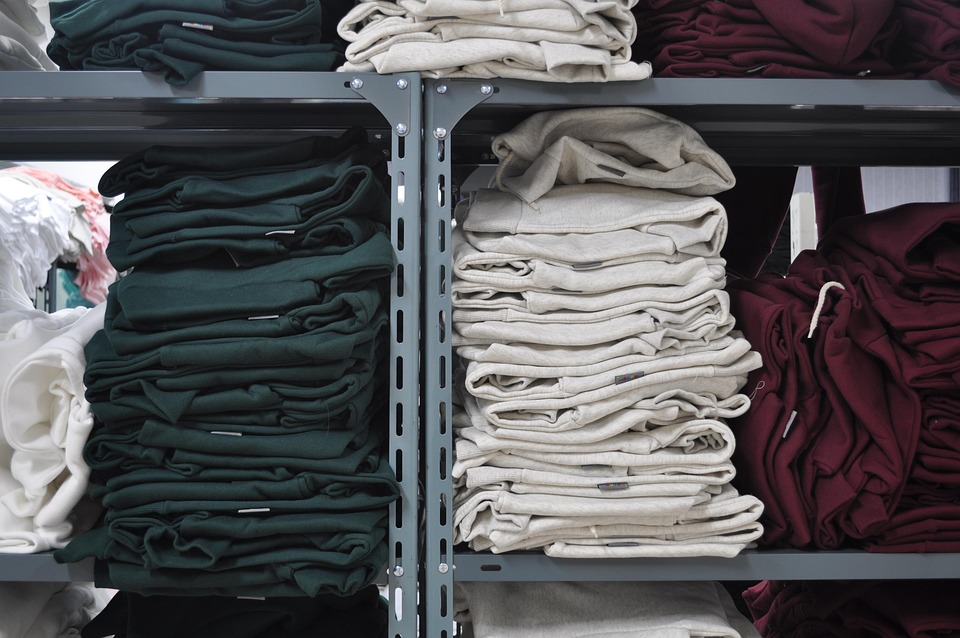
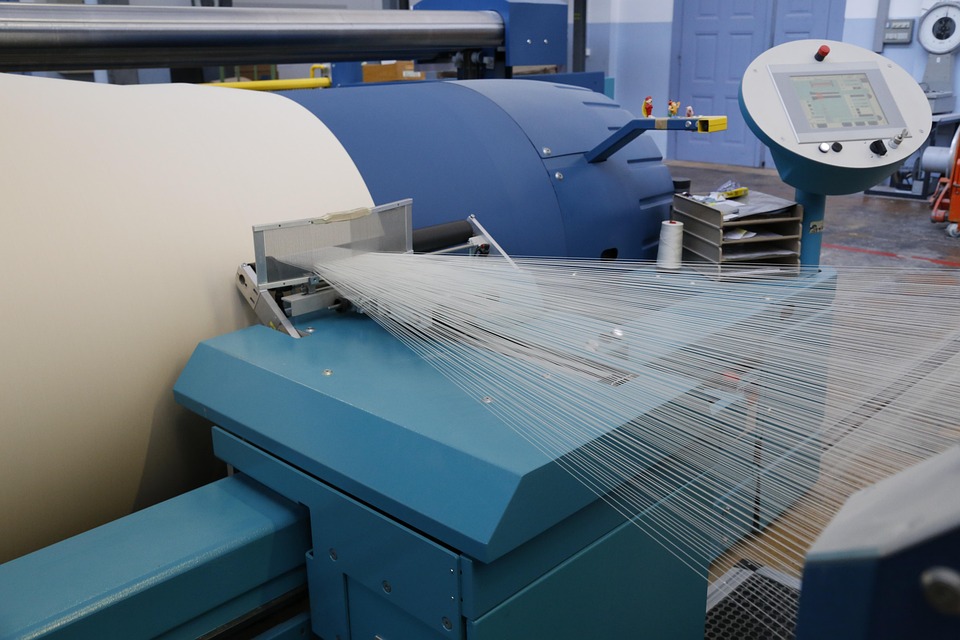
The pad dyeing process is the backbone of high-volume textile coloration, enabling continuous, uniform application of dyes onto woven and knitted fabrics. Unlike exhaust dyeing, which processes fabric in batches, pad dyeing operates at speeds of 60 to 120 meters per minute, making it indispensable for manufacturers of apparel, home textiles, and technical fabrics. However, the complexity of managing chemical interactions, mechanical precision, and thermal dynamics means that even small deviations can compromise fabric dyeing uniformity and lead to costly rework.
For dyehouses aiming to reduce waste, improve right-first-time rates, and lower energy costs, a deep understanding of common failure points is essential. This article explores five persistent challenges in the pad dyeing process and provides proven solutions grounded in automation, chemistry, and process optimization. Throughout, we will examine how mastering pad dyeing process parameters—from viscosity to nip pressure—can transform a problematic line into a reliable profit center.
Successful continuous dyeing troubleshooting requires a systematic approach that identifies root causes and implements corrective actions across equipment, chemistry, and operator practices. The following five challenges represent the most frequent sources of defects, each with actionable countermeasures.
1. Shade Variation and Tail-Ending: Preserving Fabric Dyeing Uniformity
Shade variation, particularly tail-ending, is one of the most visible quality failures in the pad dyeing process. Tail-ending occurs when the color depth shifts progressively from the beginning to the end of a batch, or when shade differs between batches. This variation directly impacts fabric dyeing uniformity, often forcing mills to sort finished goods into multiple shade lots or re-dye entire rolls.
The Dual Causes: Depletion and Mechanical Drift
Two primary factors drive shade variation. First, chemical depletion: as fabric runs through the pad trough, certain dyes—especially reactive and direct types—exhaust onto the fiber, altering the liquor concentration. Second, mechanical drift: changes in nip pressure, roller temperature, or hydraulic settings alter the wet pickup percentage (WPU). A change of just 3–5% in WPU can shift shade depth by ΔE > 1.0, which is visually distinct.
Solutions to Ensure Fabric Dyeing Uniformity
To maintain fabric dyeing uniformity across long runs, modern mills deploy closed-loop control systems.
-
Automated Replenishment: Conductivity sensors or spectrophotometric analyzers continuously monitor dye concentration. They trigger precise additions of fresh dye concentrate, keeping the bath composition stable. Mills using such systems report a 60–75% reduction in shade variation and a drop in re-dye rates from 5–8% to below 2%.
-
Precision Nip Control: Advanced padders use individual load cells and automatic pressure profiling to maintain consistent squeeze across the fabric width. Regular calibration against pressure-sensitive paper ensures that pad dyeing process parameters related to mechanical uniformity remain within tolerance.
By stabilizing both chemistry and mechanics, manufacturers can achieve the fabric dyeing uniformity that customers demand, eliminating tail-ending as a routine defect.
2. Dye Migration: A Threat to Pad Dyeing Process Parameters
Dye migration is a subtle but destructive defect in the pad dyeing process. It occurs when dye particles move with water during drying, accumulating on the fiber surface instead of remaining uniformly distributed. This leads to ring-dyed fibers, poor crock fastness, and reduced wash fastness. Controlling migration requires careful management of pad dyeing process parameters, particularly viscosity and drying kinetics.
The Physics of Migration and How to Intercept It
Migration is driven by capillary action during evaporation. When wet fabric enters a dryer, surface water evaporates first, creating a gradient that pulls internal liquor—and dissolved dye—toward the surface. Without intervention, the result is uneven color and poor penetration.
Optimizing Pad Dyeing Process Parameters to Control Migration
To counteract migration, dyers adjust several pad dyeing process parameters:
-
Viscosity Management: Adding 10–20 g/L of a synthetic thickener or sodium alginate raises the pad liquor viscosity to 50–100 cps. This physically restricts dye movement, reducing migration by up to 80%. Viscosity must be monitored inline, as fluctuations can alter pickup and dye yield.
-
IR Pre-Drying: Installing infrared pre-dryers immediately after the padder sets the dye rapidly, forming a gel-like film that immobilizes particles. Combined with proper pad dyeing process parameters for speed and temperature, this approach can improve migration ratings from 2.5 to 4.5 (on a 1–5 scale).
By rigorously controlling these pad dyeing process parameters, mills can eliminate migration-related defects and improve fastness properties.
3. Chemical Inconsistency: A Hidden Variable in Continuous Dyeing Troubleshooting
The pad dyeing process relies on a precise balance of dyes, alkalis, reducing agents, and auxiliaries. Inconsistent chemical dosing leads to two-sidedness, patchy fixation, and variable fastness. Effective continuous dyeing troubleshooting must start with the chemical feed system.
Where Inconsistencies Arise
Manual mixing and gravity-fed lines often introduce variability. Undissolved particles, pH drift, and temperature changes can cause the pad liquor composition to vary across the fabric width or over time. These issues are especially problematic for reactive dyeing, where fixation pH must remain between 10.5 and 11.5.
Automating for Reliable Continuous Dyeing Troubleshooting
-
Centralized Automated Dosing: Modern plants use centralized dosing systems (CDS) that pre-mix chemicals, verify concentrations, and deliver ready-to-use liquor to the pad trough via flow-controlled lines. This eliminates human error and ensures that every liter of liquor matches the recipe.
-
Inline pH and Conductivity Monitoring: Continuous sensors feed data to controllers that adjust alkali or dye additions in real time. Maintaining stable pad dyeing process parameters for pH and electrolyte concentration increases fixation yield by 5–10% and reduces the need for continuous dyeing troubleshooting calls.
With automated chemical control, dyers can focus on optimization rather than firefighting.
4. Energy Waste and Fixation Inefficiency
Energy consumption represents up to 15–20% of operating costs in a typical continuous dyeing range. Traditional fixation—steaming for reactive dyes, thermosol for disperse—consumes large amounts of natural gas and steam. Fixation inefficiency also wastes expensive dyes, increasing both cost and effluent load. For many mills, rethinking fixation is central to sustainable continuous dyeing troubleshooting.
The Cold Pad-Batch Method as a Low-Energy Solution
For cellulosic fibers, the cold pad-batch method offers a transformative alternative. Fabric is padded with dye and alkali, then batched and rotated at ambient temperature for 4–24 hours. No steam or hot flue is required, and migration is virtually eliminated because there is no heat-driven water movement.
-
Energy Savings: The cold pad-batch method reduces energy consumption for dyeing by 70–80% compared to steam fixation.
-
Quality Impact: Because fixation occurs slowly at low temperature, dye penetration is excellent, and fabric dyeing uniformity is inherently high.
Mills adopting the cold pad-batch method report not only lower energy bills but also reduced rework rates, making it a cornerstone of modern continuous dyeing troubleshooting.
Optimizing Thermosol Fixation Parameters
For polyester and blends where heat is unavoidable, optimizing thermosol fixation parameters yields significant savings. By selecting low-energy disperse dyes and using spectrophotometric analysis to determine the minimum required temperature and time, dyers can reduce thermosol temperature from 210°C to 190°C, cutting gas consumption by 10–15%.
Precise thermosol fixation parameters also improve color yield and reduce the risk of thermal migration. When combined with proper pad dyeing process parameters for pre-drying, the result is both energy-efficient and high-quality.
Table: Energy and Efficiency Comparison Across Fixation Methods
| Fixation Method | Energy (kWh/ton) | Fixation Efficiency (%) | Impact on Fabric Dyeing Uniformity |
|---|---|---|---|
| Steam (Reactive) | 1,200 – 1,500 | 65 – 75 | Moderate |
| Cold Pad-Batch Method | 250 – 350 | 75 – 85 | Excellent |
| Thermosol (Optimized) | 900 – 1,100 | 70 – 80 | Good |
5. Poor Wettability and Penetration
Even when all pad dyeing process parameters are correctly set, poor fabric wettability can sabotage results. If the substrate repels water due to residual sizing, oils, or waxes, the dye liquor will sit on the surface, leading to skitteriness and poor penetration. This is one of the most frequent triggers for continuous dyeing troubleshooting interventions.
Why Pre-Treatment Is the Foundation
Wettability cannot be corrected at the padder; it must be established before the fabric reaches the dye bath. Inadequate scouring or desizing leaves hydrophobic zones that cause uneven pickup, regardless of how well pad dyeing process parameters are controlled.
Strengthening Pre-Treatment to Support Fabric Dyeing Uniformity
-
Rigorous Scouring and Desizing: Caustic scouring, often combined with hydrogen peroxide bleaching, removes natural impurities and sizing agents. A simple capillary rise test—water climbing 100 mm in 30 minutes—indicates readiness for the pad dyeing process.
-
High-Performance Wetting Agents: Non-ionic surfactants with rapid migration properties ensure that the liquor penetrates yarn bundles instantly, even at high speeds. This step is critical for achieving fabric dyeing uniformity in densely woven constructions.
-
Mercerization (Optional): For cotton, mercerization swells the fiber, increasing dye uptake and further enhancing fabric dyeing uniformity. It also reduces the risk of skitteriness in light shades.
By investing in robust pre-treatment, mills eliminate a major variable, making continuous dyeing troubleshooting simpler and more predictable.
Conclusion: Integrating Solutions for Sustainable Quality
Mastering the pad dyeing process requires a holistic view where chemistry, mechanics, and substrate preparation work in harmony. The five challenges detailed above—shade variation, migration, chemical inconsistency, energy waste, and poor wettability—can each be addressed through targeted investments and process discipline. Automating replenishment, adopting the cold pad-batch method, fine-tuning thermosol fixation parameters, and ensuring rigorous pre-treatment all contribute to superior fabric dyeing uniformity.
As the textile industry pushes for higher right-first-time rates, lower environmental impact, and greater operational efficiency, the ability to control pad dyeing process parameters becomes a decisive competitive advantage. Mills that systematically apply these solutions will find that continuous dyeing troubleshooting shifts from a reactive chore to a proactive strategy for quality and profitability.
By embedding these practices, manufacturers can transform their pad dyeing lines into reliable, high-performance assets—delivering consistent color, reducing waste, and meeting the demands of today’s discerning markets.