
Introduction
Walk into modern homes, hotels, or retail spaces today, and you will notice a growing preference for fabrics with a relaxed, textured appearance. Crinkle effect fabric is gaining attention because it combines effortless style with exceptional practicality.
Unlike traditional smooth fabrics that require frequent ironing and careful maintenance, crinkle effect fabric is designed with an intentional textured surface that hides everyday creases while maintaining its unique look.
Driven by the demand for low-maintenance textiles, the global textile finishing chemicals market continues to expand, with anti-crease solutions becoming increasingly important. But what makes crinkle effect fabric so easy to care for, and why are more brands and manufacturers adding it to their product lines?
What Exactly Is Crinkle Effect Fabric?
Before discussing why it is easy to maintain, it is important to understand what crinkle effect fabric actually is.
Unlike accidental wrinkles caused by poor care, crinkle effect fabric features a deliberately created textured surface through specialized finishing techniques. By using controlled mechanical compression, heat-setting, or chemical treatments, manufacturers create a permanent crinkled appearance that remains stable after washing and daily use.
How the crinkle effect is created
The production process depends on the fiber type and the desired texture. For polyester and other synthetic fabrics, manufacturers may use a knit/deknit process, where the fabric is tightly knitted, heat-set, and then relaxed to form a lasting crinkle texture.
For cotton and other cellulosic fibers, resin-based treatments, mechanical compression, or high-twist yarn techniques can create the characteristic puckered surface. Although the methods vary, the goal remains the same: achieving a durable texture that will not easily wash out or lose its appearance.
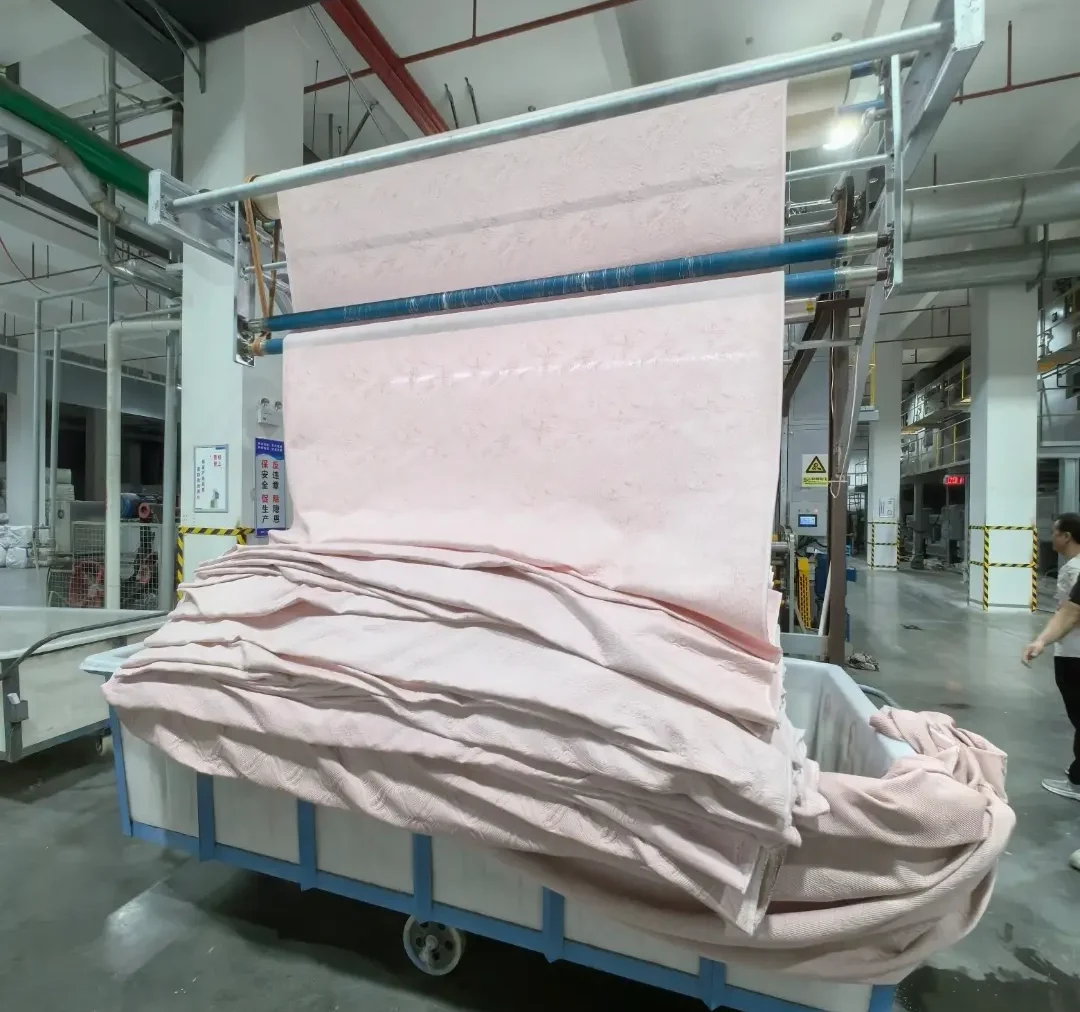
For example, Jiangsu Futai Textile Technology provides both wrinkle-resistant finishing and crinkle-effect solutions. Its wrinkle-resistant treatments improve fabric smoothness and reduce unwanted creasing, while crinkle-effect finishing creates controlled texture through advanced compression and heat-setting processes.
Crinkle effect vs. wrinkle-resistant finishing
These two finishing methods are often confused, but they serve different purposes.
Wrinkle-resistant finishing is designed to prevent unwanted wrinkles and keep fabrics looking smooth. Crinkle effect finishing, on the other hand, intentionally creates wrinkles as part of the fabric’s visual appeal.
The difference is the design goal: one maintains a clean surface, while the other transforms texture into a feature. However, both solutions help reduce maintenance requirements by minimizing the need for frequent ironing and fabric care.
Why Is Crinkle Effect Fabric So Easy to Maintain?
The low-maintenance advantage of crinkle effect fabric comes from its engineered texture. Instead of fighting wrinkles, the fabric makes them part of the design.
No ironing required
The biggest advantage is simple: less ironing. Since the surface already has a natural crinkled appearance, minor creases caused by storage, transportation, or daily use blend into the existing texture.
For apparel, bedding, and home textiles, this means products can maintain a neat and stylish appearance with minimal effort—an important benefit for both consumers and commercial users such as hotels and rental properties.
Machine washable and quick drying
Most crinkle effect fabrics are designed to fit modern care routines. They can typically be washed using standard machine-washing methods and require minimal post-wash treatment.
The simple care process reduces maintenance time while helping fabrics maintain their original texture and appearance through repeated laundering.
Hides everyday wear
Another overlooked benefit is the fabric’s ability to disguise normal use. Whether it is bedding used every day, curtains exposed to frequent handling, or garments packed in luggage, the textured surface helps conceal minor wrinkles and compression marks.
Unlike smooth fabrics where every crease becomes noticeable, crinkle effect fabric turns natural variation into part of its aesthetic.
Durable and shape-retaining
The finishing process also contributes to long-term performance. Heat-setting and controlled compression help stabilize the fabric structure, allowing it to maintain its texture and shape after repeated washing.
For manufacturers and buyers, this means fewer appearance-related quality issues, longer product life, and better customer satisfaction.
How Does Crinkle Effect Fabric Compare to Other Fabric Types?
To fully appreciate why crinkle effect fabric is so easy to maintain, it helps to see how it stacks up against the alternatives.
| Fabric Type | Ironing Required | Wrinkle Hiding | Washability | Durability | Best For |
|---|---|---|---|---|---|
| Crinkle Effect Fabric | None | Excellent | Machine washable | Good to Excellent | Everyday use, travel, home textiles |
| Wrinkle-Resistant Cotton | Minimal | Good | Machine washable | Good | Shirts, formal wear |
| Standard Cotton | High | Poor | Machine washable | Good | Traditional bedding, casual wear |
| Linen | High | Moderate | Machine washable | Excellent | Summer clothing, relaxed decor |
| Polyester | Low | Good | Machine washable | Excellent | Budget apparel, outdoor use |
| Silk | High | Poor | Dry clean only | Fair | Luxury apparel, special occasions |
What this comparison reveals is that crinkle effect fabric occupies a unique position. Standard cotton demands constant ironing. Linen, while beautiful, wrinkles terribly and requires significant maintenance. Silk is too delicate for everyday use. Crinkle effect fabric delivers the texture and aesthetic appeal of a premium textile without the upkeep burden.
Who Is Buying Crinkle Effect Fabric?
The demand for crinkle effect fabric comes from a wide range of markets. From home textiles to fashion and hospitality, buyers are attracted by the same advantages: unique texture, easy maintenance, and reliable performance.
-
Home textile users seeking effortless care
For busy households, textile maintenance is a growing concern. Families want fabrics that look stylish but can handle frequent washing, daily use, and changing lifestyles.
Crinkle effect fabric offers a practical solution. Its textured surface naturally hides minor wrinkles, while its durability helps maintain its appearance over time. This makes it suitable for high-use applications such as bedding, curtains, and upholstery.
-
Travel and lifestyle brands
The demand for low-maintenance textiles is also increasing among travel-focused consumers. Lightweight, easy-care fabrics are especially attractive for products designed for frequent movement and everyday convenience.
Because the crinkle texture remains part of the fabric’s appearance, products made with this material can maintain a neat look even after packing, transportation, or extended use.
-
Hotels and hospitality suppliers
Hospitality businesses require textiles that combine appearance, durability, and easy care. Crinkle effect fabric meets these needs by offering a relaxed yet premium aesthetic while reducing maintenance demands.
For hotels, vacation rentals, and commercial spaces, fabrics that maintain their appearance after repeated washing can help lower replacement costs and improve guest experiences.
-
Fashion and lifestyle brands
In the apparel market, crinkle effect fabric has gained popularity for its distinctive texture and effortless style. Designers use it for garments that offer a relaxed look without requiring constant ironing or careful handling.
Its combination of visual appeal and convenience makes it an attractive option for brands targeting modern consumers who value both design and practicality.
Why Manufacturers and Buyers Are Expanding Crinkle Effect Fabric Collections
Behind the growing demand is an expanding textile supply chain, with manufacturers, retailers, and brands exploring new finishing technologies to create differentiated products.
Consistent finishing performance
For textile buyers, consistency is a key consideration. Advanced finishing equipment, precise chemical control, and automated production processes help ensure stable texture, color, and performance across large production runs.
Manufacturers such as Jiangsu Futai Textile Technology provide wrinkle-resistant and crinkle-effect finishing solutions for home textiles, woven fabrics, decorative materials, and multi-layer products.
Through automated dosing systems, tension control, and digital monitoring, manufacturers can reduce common finishing issues such as uneven texture, excessive stiffness, and color variation.
Customization and application flexibility
Different markets require different fabric characteristics. Retail brands may need specific textures and colors, while hospitality and home textile suppliers may focus on durability, washing performance, and long-term appearance.
Flexible finishing capabilities allow manufacturers to develop customized solutions for different product categories and end uses.
Sustainability and long-term value
Easy-care textiles also support growing sustainability goals. Fabrics that require less ironing can reduce energy consumption, while durable materials help extend product life and reduce waste.
With increasing demand for environmentally responsible textile production, solutions such as formaldehyde-free anti-crease agents and improved finishing technologies are becoming more important across the industry.
Real-World Applications: Where Crinkle Effect Fabric Shines
Crinkle effect fabric is not a one-trick pony. Its versatility across applications is one of its greatest strengths.
Bedding
In bedding, crinkle effect fabric offers the perfect balance of comfort and practicality. The textured surface feels soft against the skin and looks beautifully relaxed. More importantly, it eliminates the need for ironing—a significant time-saver for busy households.
The durability of crinkle effect bedding means it withstands frequent washing without losing its shape or texture. For hotels and vacation rentals, this translates to lower replacement costs and better guest experiences.
Curtains and drapery
Window treatments are notorious for collecting dust and wrinkles. Crinkle effect curtains resist both. The textured surface disguises minor creases from hanging and storage, while the durable fabric holds up well to cleaning.
Upholstery
In furniture, crinkle effect fabric offers a tactile, inviting surface that conceals the inevitable signs of use. The fabric’s durability makes it suitable for high-traffic areas, while its easy-care nature simplifies maintenance.
Apparel
From casual wear to travel clothing, crinkle effect fabric has become a fashion staple. The fabric’s breathability makes it ideal for warm climates, while its low-maintenance nature appeals to consumers with busy lifestyles.
The Numbers Behind the Trend
The market data confirms what industry insiders already know: crinkle effect and easy-care fabrics are experiencing significant growth.
-
The global textile finishing chemicals market was valued at approximately USD 8.23 billion in 2024 and is expected to grow at over 5.50% CAGR through 2035.
-
The anti-crease agent market alone was valued at USD 895 million and is projected to grow at 5.3% CAGR during 2026-2031.
-
Demand is being driven by the ongoing need for wrinkle-free apparel and the development of innovative anti-crease agents with enhanced properties.
These numbers reflect a fundamental shift in consumer expectations. People want textiles that look good, feel good, and require minimal effort to maintain. Crinkle effect fabric delivers on all three counts.
Conclusion
If there is one takeaway from all of this, it is that crinkle effect fabric solves a problem that most people did not even realize they had: the endless cycle of ironing, steaming, and fussing over textiles that refuse to stay smooth.
The benefits are clear:
-
Zero ironing: The textured surface makes ironing entirely unnecessary.
-
Machine washable: Standard laundry routines work perfectly.
-
Disguises wear: Minor wrinkles blend into the intentional texture.
-
Durable: The finishing process locks in shape and resists pilling.
-
Versatile: Works for bedding, curtains, upholstery, and apparel.
-
Sustainable: Longer lifespan and less energy use mean lower environmental impact.
For busy families, frequent travelers, hotels, and fashion-conscious consumers alike, crinkle effect fabric offers something rare: genuine convenience without compromising on style.
Choosing the Right Crinkle Effect Finishing for Your Textile Projects
Crinkle effect fabric is gaining popularity in home textiles, apparel, and hospitality applications due to its unique texture and easy-care performance.
Our Wrinkle-Resistant & Crinkle Effect Finishing solutions help manufacturers achieve consistent texture, reliable durability, and customized finishing effects for different fabric requirements.
Contact us to discuss your fabric specifications, sample requirements, and finishing solutions.