
Introduction
You pick up a beautifully textured shirt online. The crinkled surface catches the light, and the product description promises effortless style. But before you click “buy,” one question comes to mind: will it feel rough against the skin?
It’s a fair concern. Many garments look elegant but turn out uncomfortable once worn. Because of this, crinkle effect fabric finishing often creates hesitation among buyers, even though it is widely used in modern textiles.
The simple answer is no—crinkle effect fabric finishing does not automatically make fabrics rough. The real feel depends on fiber choice, finishing method, and manufacturing quality. Let’s take a closer look at how it actually works and why its reputation is often misunderstood.
What Exactly Is Crinkle Effect Fabric Finishing?
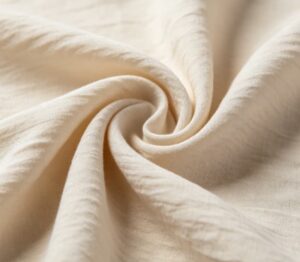
Before we talk about roughness, let’s get clear on what “crinkle effect” actually means. Crinkle effect fabric finishing is a textile treatment that creates permanent, intentional wrinkles or puckers on the fabric surface. Unlike the accidental wrinkles you get from leaving laundry in the dryer too long, these are carefully engineered during production.
There are two main ways to achieve the crinkle effect fabric finishing, and the method used has a huge impact on how the final fabric feels.
Method 1: Mechanical Crinkling (The Softer Option)
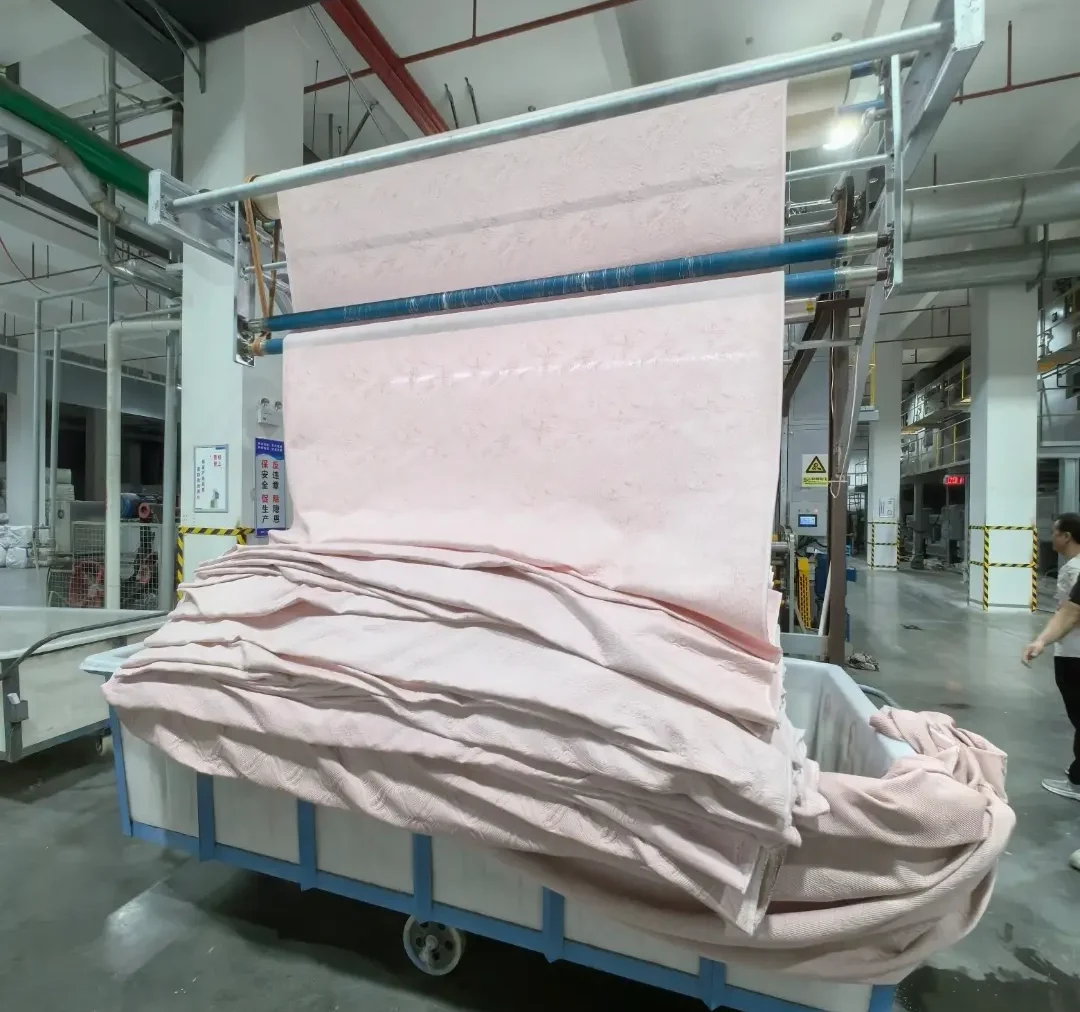
Mechanical crinkling uses controlled compression and heat-setting to create permanent texture. The fabric passes through specialized rollers that physically compress and wrinkle it, then heat is applied to “set” the wrinkles permanently. This method primarily uses physical forces to alter fabric structure—no heavy chemicals involved. Because the fibers aren’t chemically stiffened, mechanical crinkle effect fabric finishing tends to preserve the fabric’s natural softness.
Method 2: Chemical Crinkling (The One That Can Feel Stiffer)
Chemical crinkling involves applying resin-based finishing agents to create and lock in the wrinkled appearance. This method often uses thermoplastic or thermosetting resins that crosslink within the fiber structure. When resin finishes are over-applied or improperly cured, the fabric can indeed become stiff and rough. This is where the “rough crinkle fabric” reputation comes from—and it’s a direct result of poor execution of crinkle effect fabric finishing, not the technique itself.
Many mass-market crinkle effect garments use chemical methods because they’re faster and cheaper. But the trade-off can be a less pleasant hand feel.
Now that you understand the two approaches, let’s look at how they compare side by side. The table below breaks down the key differences between mechanical and chemical crinkle effect fabric finishing.
| Comparison Aspect | Mechanical Crinkling | Chemical Crinkling (Resin-Based) |
|---|---|---|
| Primary Mechanism | Physical compression + heat-setting | Resin crosslinking within fibers |
| Impact on Hand Feel | Preserves natural softness; can even improve drape | Risk of stiffness if resin is over-applied |
| Wrinkle Permanence | Very good; stable through multiple washes | Excellent, but may degrade over time |
| Breathability | Generally unaffected | Can be reduced due to resin coating |
| Environmental Impact | Lower (fewer chemicals) | Higher (chemical runoff concerns) |
| Cost | Higher equipment investment | Lower per-unit cost |
| Best Suited For | High-end apparel, natural fibers | Mass-market fast fashion |
The takeaway: mechanical crinkle effect fabric finishing is almost always the gentler option for fabric feel. If you’re choosing between two crinkled-effect garments, the one made with mechanical finishing will typically feel softer against the skin.
“During finishing, the pressure and steam decatizing processes result in progressive improvement of elastic recovery properties and desirable fabric aesthetic attributes.” — Research on mechanical fabric finishing effects
What Actually Determines Whether Crinkle Fabric Feels Rough?
What really determines whether a crinkle fabric feels rough is not the finish itself, but the fiber underneath. Even the most carefully executed crinkle effect fabric finishing cannot turn a coarse base material into something naturally soft. At the same time, a high-quality fiber can still feel uncomfortable if the finishing process is poorly handled.
Different fibers behave very differently once the texture is applied. A 100% polyester crinkle fabric has a noticeably more structured, sometimes crisp hand feel, while cotton versions are usually softer and more breathable. Blends such as rayon or lyocell tend to sit somewhere in between, combining softness with a more fluid drape. In all cases, the crinkle effect fabric finishing simply enhances what is already defined by the base fabric.
Cotton crinkle fabrics, for example, are often lightweight and skin-friendly, especially in gauze structures. However, when resin-based treatments are overused, the fabric can lose some softness and feel slightly stiffer—this is a result of the chemical finish rather than the cotton itself. When properly controlled, crinkle effect fabric finishing on cotton maintains its natural comfort while adding texture.
Rayon, viscose, and lyocell blends usually deliver the most balanced result. They combine a soft, fluid hand feel with a natural crinkled surface that doesn’t cling to the skin. Many manufacturers describe these fabrics as having a silky yet relaxed texture, which is why they are widely used in fashion applications where both comfort and appearance matter.
In the end, roughness is rarely about the crinkle itself. It comes down to how the fiber is chosen and how the crinkle effect fabric finishing is applied on top of it.
A Second Factor: Finishing Quality Control
Even with the right fiber and the right method, poor quality control can ruin the feel of any crinkle effect fabric finishing.
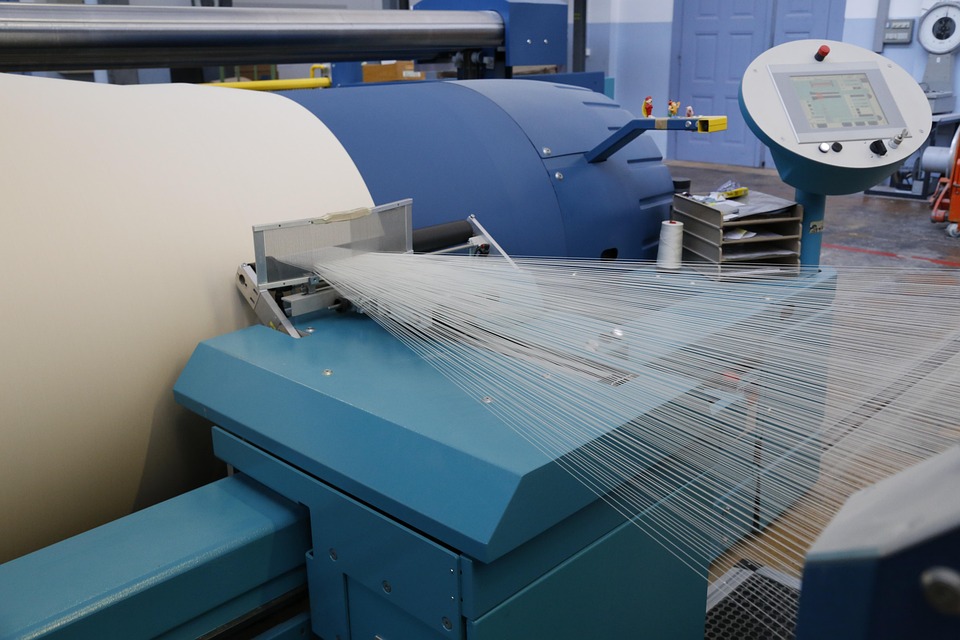
Good manufacturers like Jiangsu Futai Textile Technology use automated dosing systems, tension control, and digital monitoring to prevent common issues such as resin odor, stiffness, and uneven texture. They understand that crinkle effect fabric finishing requires precision.
Bad manufacturers skip these steps. The result? Fabrics that feel stiff, scratchy, or unevenly textured.
Here’s what can go wrong when quality control fails:
-
Over-application of resin finishes – The fabric becomes board-stiff
-
Uneven heat-setting – Some areas are more wrinkled than others
-
Poor curing conditions – The finish degrades after a few washes, leaving an unpredictable texture
-
Lack of post-finishing softening – No softener is applied after the crinkle treatment
The best crinkle effect fabric finishing processes include multiple quality checks. And many receive an additional softening treatment after the crinkle process—a step that makes all the difference in how the garment feels against your skin.
Softer Than It Looks: Why Many Crinkle Fabrics Are Surprisingly Comfortable
Here’s something counterintuitive: crinkle fabrics are often more comfortable to wear than smooth fabrics. And good crinkle effect fabric finishing makes that possible.
Why? Because the textured surface creates tiny air gaps between the fabric and your skin. Instead of lying flat against your body like a second skin, the crinkles lift portions of the fabric away, improving airflow and reducing stickiness in hot weather. This “air gap” effect means you stay cooler and less clammy—even when the temperature rises.
This is why crinkle effect fabric finishing has become popular for travel wear, resort collections, and summer fashion. The texture keeps you comfortable while the fabric’s permanent wrinkle resistance means you can pull it straight out of a suitcase and wear it without ironing.
And here’s a pro tip: the hand feel of crinkle fabrics often improves over time. Many crinkle nylon fabrics, for instance, start with a crisp texture but “noticeably soften” after being submerged in water. So if you buy a crinkle garment and it feels a bit stiffer than expected, wash it first. The difference might surprise you.
Real People, Real Experiences: What Wearers Say About Crinkle Fabric Comfort
While technical details and fabric specifications matter, what people actually feel when wearing the fabric often says more. In real use, garments made with crinkle effect fabric finishing tend to be judged less by theory and more by everyday comfort and practicality.
Here’s what some customers have shared after wearing crinkle-effect garments:
A shopper who purchased a crinkled jersey top commented: “This top is so comfortable and flattering. The crinkle fabric is great for travel, and it’s easy to wash.” They went on to buy another color soon after, which usually signals strong satisfaction with both comfort and wearability.
Another review of crinkle wide-leg trousers described them as lightweight and easy to wear in warm weather: “The waistband is comfortable, they don’t need ironing, and they dry quickly after washing. I can even wear them to the office.” This kind of feedback highlights how crinkle effect fabric finishing supports both convenience and everyday practicality.
A customer reviewing a crinkle cotton striped blouse simply noted: “Beautiful fabric in an easy-to-wear style… It will pack well.” The emphasis here is less about appearance alone and more about how easily the garment fits into daily life and travel.
Across these experiences, a consistent pattern appears—comfort, low maintenance, and travel-friendly performance. Complaints about roughness are rarely mentioned, which aligns with how crinkle effect fabric finishing behaves when properly applied.
Where Do You Actually See Crinkle Effect Fabrics Being Used?
Crinkle effect fabric finishing has moved far beyond its niche origins. Today, you’ll find it across multiple categories:
Fashion Apparel
-
Blouses, shirts, and resort wear – The crinkle texture adds visual interest to simple silhouettes and helps camouflage minor fit imperfections
-
Dresses and skirts – Lightweight crinkle fabrics drape beautifully and move with the body
-
Wide-leg trousers and casual pants – The texture means no ironing, even after sitting for hours
-
Jackets and outerwear – Crinkle nylon offers durability plus a unique aesthetic
Home Textiles
-
Bedding and decorative fabrics – Crinkle effect fabric finishing adds a relaxed, lived-in luxury look
-
Curtains and drapes – The texture creates depth without heavy patterns
Athletic and Activewear
-
Sportswear with crinkle texture improves airflow between fabric and skin during movement
-
Despite the textured appearance, high-quality crinkle sportswear “remains soft on the inside and does not cause irritation during movement”
How to Test Whether a Crinkle Fabric Will Feel Rough Before You Buy
You can’t always touch the fabric before purchasing, especially when shopping online. But you can ask the right questions about the crinkle effect fabric finishing used.
Check the fiber composition first.
Look for natural fibers or high-quality synthetics. Cotton, rayon, lyocell, and viscose generally yield softer crinkle fabrics. Lower-grade polyesters can feel harsher.
Look for “mechanical finishing” in the product description.
If the brand specifically mentions mechanical compression or heat-setting for the crinkle effect fabric finishing, that’s a good sign. It means they likely avoided heavy chemical treatments.
Read the reviews for keywords like “soft,” “comfortable,” and “gentle.”
Skip over the generic five-star reviews and look for specific mentions of fabric feel. If multiple reviewers mention softness, you’re probably safe.
Check the brand or manufacturer.
Reputable textile companies like Futai Textile (which offers crinkle effect fabric finishing for home textiles and woven apparel fabrics) emphasize quality control and consistent results. Established brands have reputations to protect and are less likely to cut corners on finishing quality.
Order from a retailer with a good return policy.
Sometimes you just need to feel it yourself. If the fabric feels too rough, send it back. No harm done.
Testing Standards: How the Industry Ensures Fabric Quality
For those who want to go deeper, the textile industry has established specific standards to evaluate fabric wrinkle recovery and surface quality. These standards help manufacturers maintain consistency in their crinkle effect fabric finishing and give buyers a benchmark for comparison.
| Standard | What It Measures | Application |
|---|---|---|
| AATCC 124 | Appearance of fabric smoothness after home washing | Evaluates how well fabric resists wrinkling through multiple wash cycles |
| AATCC 128 | Wrinkle smoothness after induced crumpling under load | Tests the fabric’s ability to recover from intentional wrinkling |
| ISO 9867 | Wrinkle recovery of fabrics using the appearance method | Applicable to all fabric types; international standard |
| ISO 7769 | Assessment of crease appearance after cleansing | Focuses specifically on crease retention and removal |
When manufacturers meet these standards (for example, achieving grade 4 anti-wrinkle performance on the AATCC scale), it generally indicates better quality control and more consistent crinkle effect fabric finishing. That consistency usually translates to a more predictable and pleasant hand feel.
Caring for Crinkle Effect Fabrics: Keep Them Soft and Looking Great
Once you’ve found a crinkle effect garment you love, proper care will keep it feeling good for years. The durability of crinkle effect fabric finishing depends heavily on how you treat it.
Do not iron. This is the golden rule. Crinkle effect fabric finishing is designed to be wrinkled—ironing them defeats the purpose and can permanently damage the texture. Many crinkle fabrics carry this explicit warning: “To preserve the crinkled effect, the garment must not be washed in water or ironed.”
Wash in cold water on a gentle cycle.
Heat can relax the permanent set of some crinkle finishes. Cold water is safer.
Air dry or use low heat.
High heat can damage both the fibers and the crinkle effect. Line drying is ideal, but a low-heat dryer setting works in a pinch.
Skip the fabric softener.
Fabric softeners can leave residue that actually makes crinkle fabrics feel less pleasant over time. They can also affect the texture.
Store folded, not hung.
The weight of hanging can stretch out crinkle fabrics and distort the texture. Fold them neatly instead.