
Abstract
This article provides a comprehensive guide to professional pad and overflow dyeing services for textile manufacturers. It covers technical processes, quality standards, production capabilities, and key selection criteria for sourcing reliable pad and overflow dyeing services in bulk manufacturing contexts. As global textile supply chains demand higher consistency, faster turnaround, and stricter environmental compliance, understanding the technical distinctions between pad and overflow dyeing becomes essential for procurement managers and production planners. This guide addresses critical decision factors, including equipment capabilities, color fastness parameters, batch scalability, and certification requirements necessary for international market competitiveness.
Understanding Pad and Overflow Dyeing Technologies
Technical Principles of Pad Dyeing Process
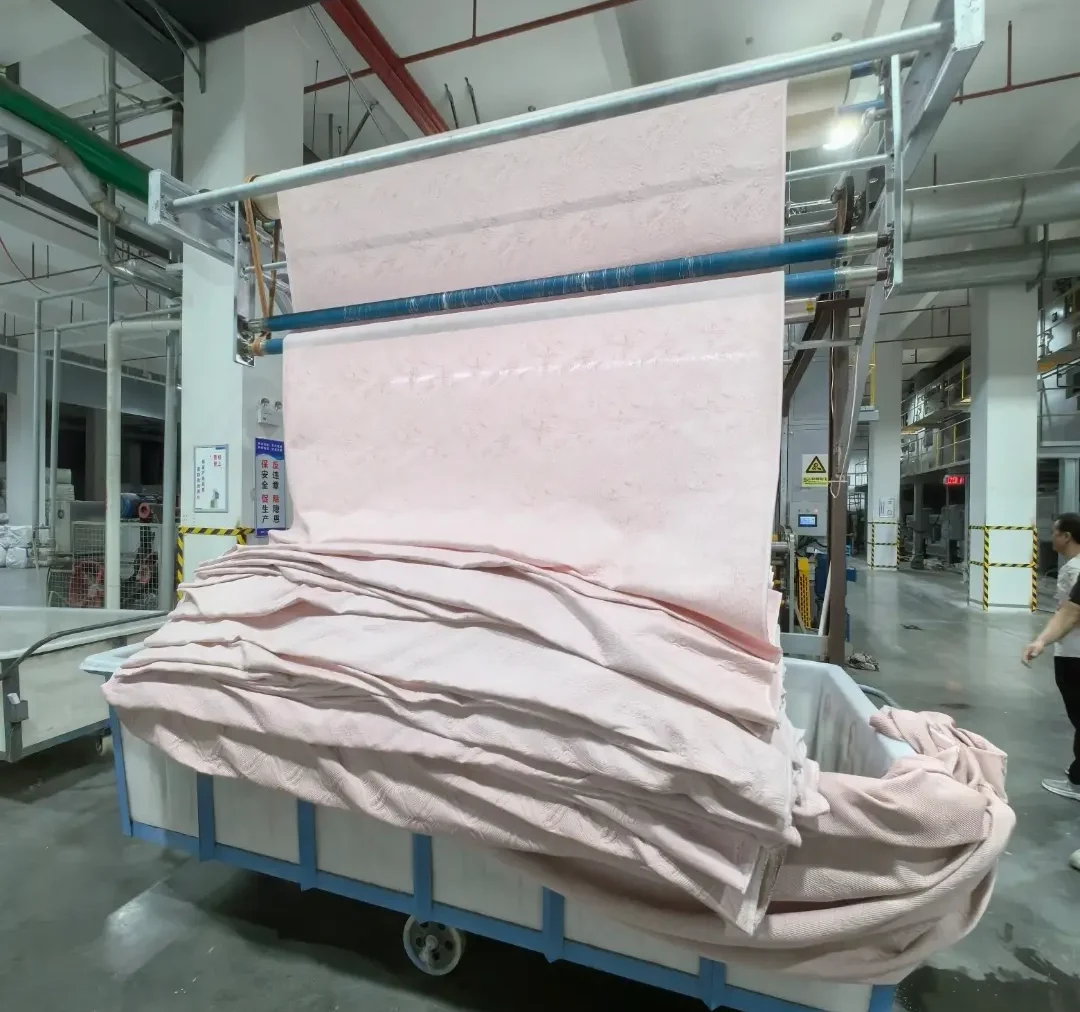
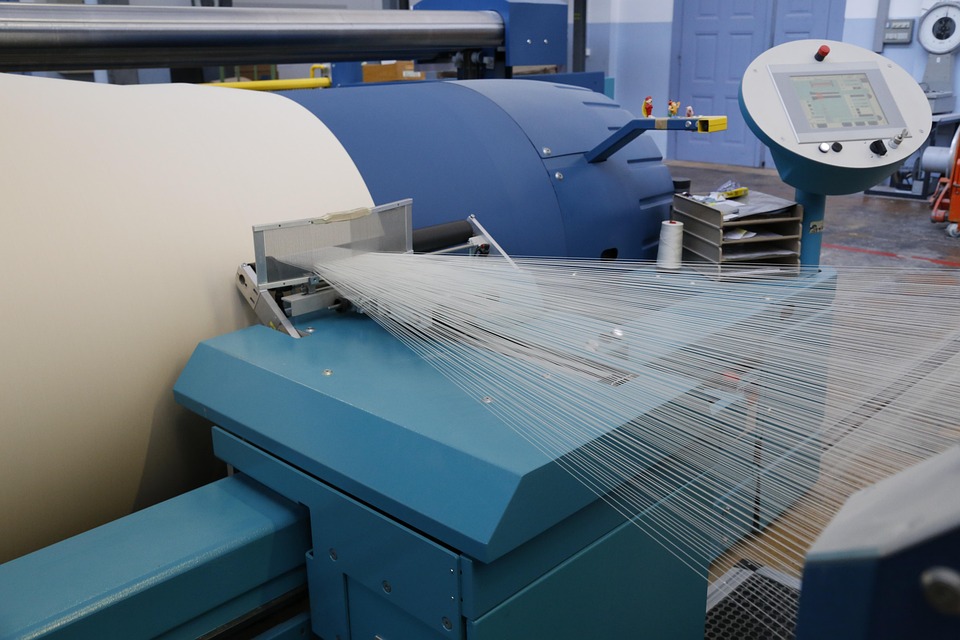
Pad dyeing, also known as continuous dyeing, operates through a horizontal fabric feeding mechanism where textile substrates pass through a dye bath followed by compression rollers (padding mangles). The process achieves dye application through controlled nip pressure, typically ranging from 200-300 kPa, which forces dye liquor into fiber structures. Fabric speeds in industrial pad dyeing lines reach 40-100 meters per minute, making this method ideal for high-volume production of woven fabrics and stable knits. As part of comprehensive pad and overflow dyeing services, pad dyeing excels in continuous, high-throughput operations.
The dye fixation occurs in subsequent stages through thermosol processes (polyester), steam fixation (reactive dyes on cotton), or dry heat curing. Modern pad dyeing systems integrate inline monitoring sensors that measure dye concentration in real-time, adjusting liquor ratios to maintain consistency across thousands of meters. This technology excels with medium-to-heavyweight fabrics where dimensional stability under tension is not a concern.
Key fabric compatibility includes cotton twills, polyester-cotton blends, canvas, and denim. The continuous nature allows precise chemical metering, reducing dye waste by 15-20% compared to batch processes. However, pad dyeing requires minimum run lengths of 500-1000 meters per color to achieve economic efficiency, making it unsuitable for small-batch custom orders. Buyers evaluating pad and overflow dyeing services should consider this MOQ constraint when planning product mixes.
Overflow Dyeing Process Characteristics
Overflow dyeing operates on fundamentally different mechanics, utilizing a jet system where fabric circulates in a rope form through a dye bath with minimal mechanical tension. The fabric-to-liquor ratio ranges from 1:5 to 1:10, significantly lower than traditional winch dyeing. This low-tension environment prevents fabric distortion, making overflow dyeing the preferred method for delicate substrates, including microfiber polyester, elastane blends, and fine gauge knits. Within professional pad and overflow dyeing services, overflow dyeing offers the flexibility required for sensitive and small-batch textiles.
The jet dyeing mechanism employs a venturi nozzle that propels fabric through the dye chamber at controlled speeds of 200-400 meters per minute (fabric circulation rate, not production speed). Temperature ramping follows precise profiles—typically 2-3°C per minute for reactive dyeing and 1-2°C for disperse dyes—ensuring uniform dye penetration without fiber damage. Modern overflow machines feature soft-flow technology that reduces fabric abrasion by 40% compared to conventional jets.
Critical advantages include superior color penetration in tubular knits, elimination of creasing marks, and the ability to process pre-finished garments. Production capacities range from 50 kg to 500 kg per batch, depending on machine configuration, with cycle times of 90-180 minutes, including heating, dyeing, and cooling phases. This method suits manufacturers requiring flexible batch sizes and fabric types that cannot withstand mechanical tension. Together, pad and overflow methods form the core of modern pad and overflow dyeing services.
Quality Standards and Production Specifications
Industry Compliance Requirements
Professional pad and overflow dyeing services must demonstrate compliance with multiple international standards. ISO 9001:2015 certification verifies quality management systems, ensuring documented procedures for color matching, process control, and defect tracking. For textile-specific operations, ISO 14001 environmental management certification is increasingly mandatory, particularly for suppliers serving European and North American markets.
OEKO-TEX Standard 100 certification has become a baseline requirement for apparel-grade textiles, restricting over 300 harmful substances, including azo dyes, formaldehyde, and heavy metals. Dyeing facilities must maintain regular testing protocols, with third-party laboratory verification of chemical residues. ZDHC (Zero Discharge of Hazardous Chemicals) MRSL compliance further restricts process chemicals, requiring dyehouses to use only approved auxiliaries and maintain chemical inventory transparency.
Wastewater treatment capabilities are critical evaluation points. Compliant facilities operate biological treatment systems, achieving COD (Chemical Oxygen Demand) levels below 100 mg/L and pH neutralization within a 6.5-8.5 range before discharge. Advanced operations implement closed-loop water recycling, reducing freshwater consumption by 30-50% while meeting discharge standards in jurisdictions with strict environmental regulations. When auditing potential pad and overflow dyeing services providers, always request recent wastewater test reports.
Color Consistency and Fastness Parameters
Color matching accuracy in professional pad and overflow dyeing services is quantified using the CIE Lab color space, where ΔE (Delta E) values measure perceptual color difference. Industry-standard tolerances require ΔE < 1.0 for critical color matches and ΔE < 1.5 for commercial acceptability. Achieving these tolerances demands spectrophotometer-based color measurement at multiple production stages, with automated dispensing systems ensuring dye recipe accuracy within ±0.5%.
Fastness ratings follow ISO 105 test methods, with minimum acceptable grades varying by end-use application:
| Fastness Type | Test Method | Apparel Grade | Home Textile Grade | Technical Textile Grade |
|---|---|---|---|---|
| Wash Fastness | ISO 105-C06 | 4-5 | 4 | 3-4 |
| Light Fastness | ISO 105-B02 | 4-5 | 5-6 | 4 |
| Rub Fastness (Dry) | ISO 105-X12 | 4 | 4 | 3-4 |
| Rub Fastness (Wet) | ISO 105-X12 | 3-4 | 3 | 3 |
| Perspiration Fastness | ISO 105-E04 | 4 | N/A | 3-4 |
Batch-to-batch consistency controls involve statistical process control (SPC) methods, tracking color deviations across production runs. Leading service providers maintain color libraries with spectral data for 500+ standard shades, enabling rapid reproduction with minimal lab dip iterations. First-time-right rates exceeding 85% indicate robust process control and experienced colorist teams. These metrics are essential KPIs when comparing pad and overflow dyeing services vendors.
Production Capacity and Service Scope
Scalability for Bulk Orders
Minimum order quantities (MOQ) vary significantly between dyeing methods. Pad dyeing operations typically require 1,000-3,000 meters per color due to setup time and dye bath preparation costs. Overflow dyeing offers greater flexibility with MOQs starting at 100-300 kg per batch, accommodating medium-volume orders across multiple colors. Reputable pad and overflow dyeing services providers clearly communicate these MOQ thresholds to help buyers plan accordingly.
Maximum daily output depends on equipment configuration and shift operations. A fully equipped pad dyeing facility with 2-3 production lines can process 15,000-25,000 meters of fabric per day in continuous operation. Overflow dyeing capacities range from 2,000 to 8,000 kg daily across multiple machines, with flexibility to allocate capacity based on order urgency.
Multi-shift operations (16-24 hours) are standard in high-demand periods, requiring skilled operator teams for each shift to maintain quality consistency. Advanced facilities implement predictive maintenance schedules, achieving equipment uptime rates above 92% and minimizing production delays. Real-time production tracking systems provide clients with order status visibility, including current processing stage and estimated completion times. For large-volume buyers, selecting pad and overflow dyeing services with demonstrated scalability is paramount.
Customization and Technical Support
Custom color development services begin with physical sample submission or Pantone/color standard references. Professional dyehouses employ experienced colorists who formulate initial recipes using computer color matching (CCM) software, followed by lab-scale dyeing trials. Typical development timelines span 5-7 business days for standard fiber types, with 2-3 lab dip iterations to achieve client approval.
Sample dyeing services allow pre-production validation, processing 5-10 meter samples or 1-2 kg batches that replicate full-scale production conditions. This step identifies potential issues, including unlevel dyeing, shade variation, or fastness deficiencies, before committing to bulk orders. Sample costs typically range from $50-$200 depending on fabric type and color complexity.
Pre-production testing protocols include shrinkage analysis, dimensional stability checks, and colorfastness verification. These tests predict fabric behavior through washing, heat exposure, and mechanical stress, preventing costly rejections in downstream garment manufacturing. Technical support extends to dye selection consultation, recommending optimal dye classes (reactive, disperse, vat, sulfur) based on fiber content, end-use requirements, and cost parameters. Comprehensive pad and overflow dyeing services should include these pre-production safeguards.
Selecting the Right Dyeing Service Provider
Evaluation Criteria for B2B Partnerships
Equipment modernization directly correlates with production efficiency and quality outcomes. Evaluate whether potential partners offering pad and overflow dyeing services operate contemporary machinery manufactured within the last 10 years, featuring automated controls, energy recovery systems, and digital monitoring. Modern pad dyeing ranges with infrared pre-drying and radio-frequency fixation reduce energy consumption by 25-30% while improving color yield.
Quality control systems should encompass incoming fabric inspection, in-process monitoring, and final audit procedures. Look for facilities with dedicated QC laboratories equipped with spectrophotometers, crockmeter, laundrometer, and xenon test chambers. ISO 9001 certification provides a framework for assurance, but verifies actual implementation through facility audits and past performance records.
Delivery reliability metrics include on-time delivery rates (target: >95%), lead time consistency, and communication responsiveness. Request performance data from existing clients, focusing on peak season reliability when capacity constraints test operational discipline. Pricing transparency requires detailed quotations breaking down dyeing charges, chemical costs, and any additional processing fees, avoiding hidden surcharges that inflate final costs. A transparent quote is the hallmark of trustworthy pad and overflow dyeing services.
Geographic and Logistical Considerations
Proximity to major textile manufacturing hubs reduces transportation costs and lead times. Dyeing facilities located within 200 km of fabric weaving/knitting operations enable just-in-time delivery models, minimizing inventory carrying costs. Assess road infrastructure quality, as fabric transportation requires climate-controlled vehicles to prevent moisture damage and contamination.
Shipping capabilities for international orders demand expertise in export documentation, including commercial invoices, packing lists, and certificates of origin. Providers experienced in cross-border logistics understand fumigation requirements, container loading optimization (20-foot containers accommodate approximately 4,000-5,000 kg of rolled fabric), and customs compliance procedures.
Import/export compliance verification includes checking for trade sanctions, tariff classifications (HS codes for dyed fabrics typically fall under Chapter 52-55), and preferential trade agreement eligibility. Suppliers in free trade zones or countries with favorable trade agreements can offer duty savings of 5-15%, significantly impacting total landed costs for high-volume importers. Global buyers should prioritize pad and overflow dyeing services with proven export track records.
FAQ
Q1: What is the typical lead time for bulk pad dyeing orders as part of pad and overflow dyeing services?
Standard lead times for pad dyeing range from 10-15 business days from fabric receipt to finished goods dispatch. This includes 1-2 days for fabric inspection and preparation, 1 day for dye bath setup and calibration, 1-2 days for production dyeing (depending on order volume), and 3-5 days for post-dyeing finishing processes, including washing, drying, and final inspection. Rush orders can be accommodated with a 7-10 day turnaround at premium pricing (typically 15-20% surcharge), subject to production capacity availability. Color-critical orders requiring multiple lab dip approvals may extend timelines by 5-7 days. Always confirm lead time expectations when contracting pad and overflow dyeing services.
Q2: How do overflow dyeing services ensure fabric dimensional stability?
Overflow dyeing maintains fabric dimensional stability through controlled mechanical tension and temperature management. The rope-form processing keeps fabrics in a relaxed state throughout dyeing, preventing lengthwise stretching that occurs in traditional beam dyeing. Modern soft-flow jet systems feature adjustable fabric speed controls (200-400 m/min circulation) and cushioned fabric guides that eliminate stress points. Temperature ramping follows gradual profiles (1-3°C per minute) to prevent thermal shock that causes fiber shrinkage. Post-dyeing relaxation cycles allow fabrics to equilibrate dimensionally before extraction. For critical applications, compressive shrinkage finishing can be applied post-dyeing to pre-shrunk fabrics to garment specifications, ensuring dimensional stability through consumer washing cycles. These capabilities distinguish high-quality pad and overflow dyeing services.
Q3: What certifications should a professional dyeing service provider hold for international markets when offering pad and overflow dyeing services?
Essential certifications include ISO 9001 (quality management), ISO 14001 (environmental management), and OEKO-TEX Standard 100 (product safety). For European markets, REACH compliance documentation is mandatory, demonstrating restricted substance control. Bluesign certification indicates comprehensive chemical management across the supply chain, increasingly required by premium brands. ZDHC Gateway certification verifies adherence to manufacturing restricted substances lists (MRSL). For organic textile processing, GOTS (Global Organic Textile Standard) certification is required. U.S. market suppliers should maintain CPSIA compliance for children’s products. Sustainability-focused buyers prioritize Higgs Index FEM (Facility Environmental Module) verification, demonstrating environmental performance benchmarking. Request current certification documents and verify validity through issuing body databases before finalizing partnerships. Selecting certified pads and overflow dyeing services minimizes supply chain risk.
Conclusion
Partnering with specialized pad and overflow dyeing services providers delivers critical competitive advantages in textile manufacturing through consistent quality, production scalability, and regulatory compliance. The technical distinctions between continuous pad dyeing for high-volume stable fabrics and low-tension overflow processing for delicate substrates enable manufacturers to optimize processes based on specific product requirements.
Quality assurance through certified color matching protocols, fastness testing, and batch consistency controls minimizes downstream production risks and customer rejections. Scalable production capacities with flexible MOQs accommodate both large-scale programs and medium-volume specialty orders. Compliance with international standards, including ISO certifications, OEKO-TEX, and environmental regulations, ensures market access across global jurisdictions while meeting increasingly stringent sustainability expectations.
Strategic provider selection based on equipment capabilities, technical support depth, and logistical proximity creates supply chain resilience and cost efficiency essential for competitive textile manufacturing operations. Professional pad and overflow dyeing services thus form the backbone of reliable, high-quality fabric production for global markets. By following the evaluation criteria outlined in this guide, procurement managers can confidently source pad and overflow dyeing services that align with their quality, cost, and delivery objectives.